
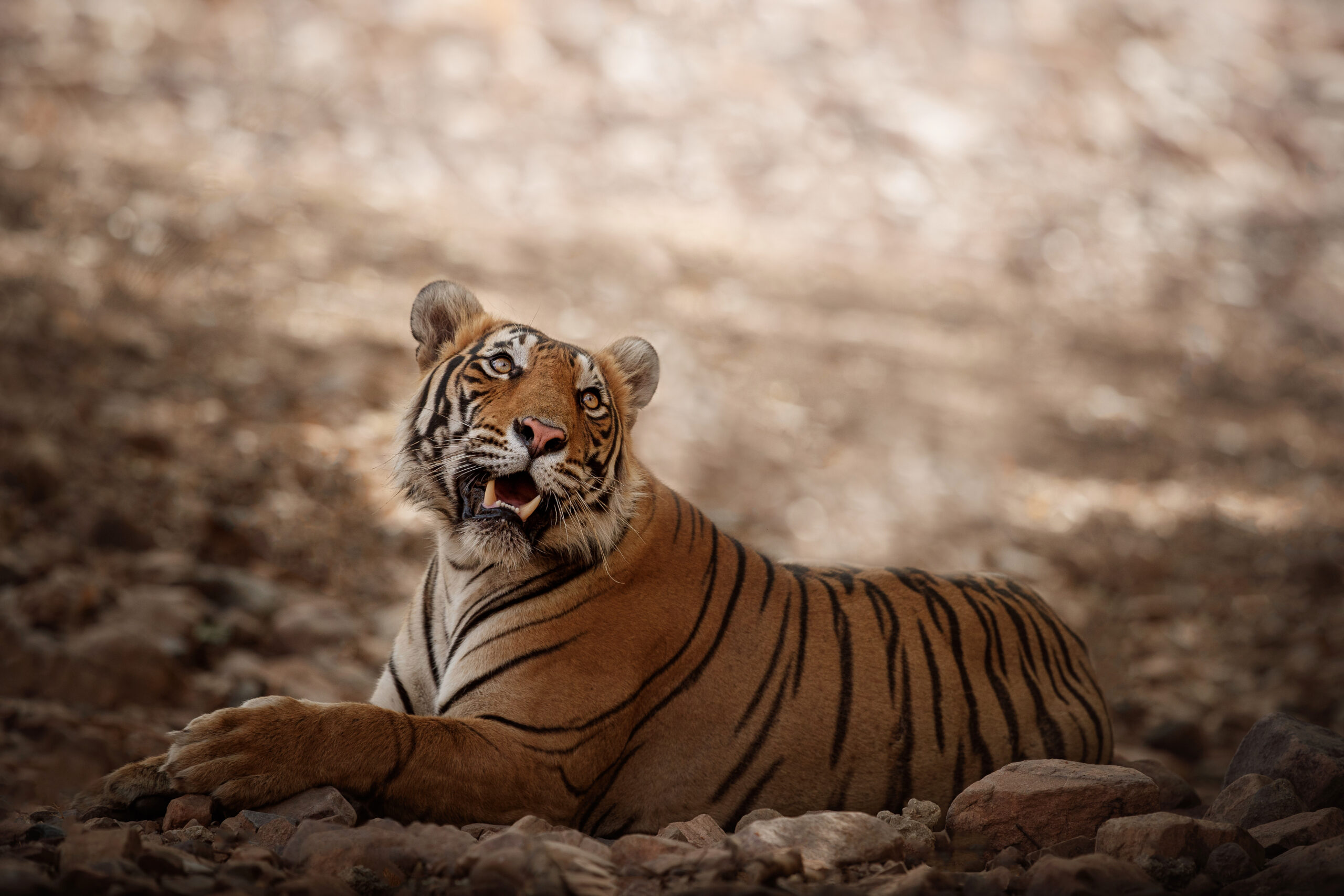
Bandhavgarh National Park is one of India’s most celebrated wildlife destinations and a dream location for nature lovers, wildlife photographers, birdwatchers, and adventure seekers. Located in the Vindhya Hills of Madhya Pradesh, Bandhavgarh is renowned for having one of the highest tiger densities in India, making it one of the best places in the world to spot the majestic Royal Bengal Tiger in its natural habitat.
Beyond tiger sightings, Bandhavgarh offers lush forests, scenic meadows, ancient caves, historical monuments, diverse wildlife, and more than 250 species of birds. Every safari through its dense sal forests and open grasslands promises a unique experience, whether you are witnessing a tiger crossing the road, elephants roaming peacefully, or vibrant birds calling from the treetops.
Whether you’re planning your first jungle safari or returning for another thrilling wildlife adventure, this comprehensive Bandhavgarh National Park Guide covers everything you need to know—from safari zones and timings to accommodation, photography tips, travel information, and frequently asked questions.
Quick Facts About Bandhavgarh National Park
| Feature | Details |
|---|---|
| Location | Umaria District, Madhya Pradesh, India |
| State | Madhya Pradesh |
| Established as National Park | 1968 |
| Tiger Reserve Declared | 1993 |
| Total Area | Approximately 1,536 sq. km (Core & Buffer) |
| Core Zone | Around 716 sq. km |
| Famous For | Royal Bengal Tigers |
| Best Safari Type | Jeep Safari |
| Nearest Railway Station | Umaria |
| Nearest Airport | Jabalpur |
| Elevation | 440–810 metres |
| Best Time to Visit | October to June |
| Closed During | July to September (Core Zone) |
| Major Forest Type | Tropical Moist and Dry Deciduous Forest |
History of Bandhavgarh National Park
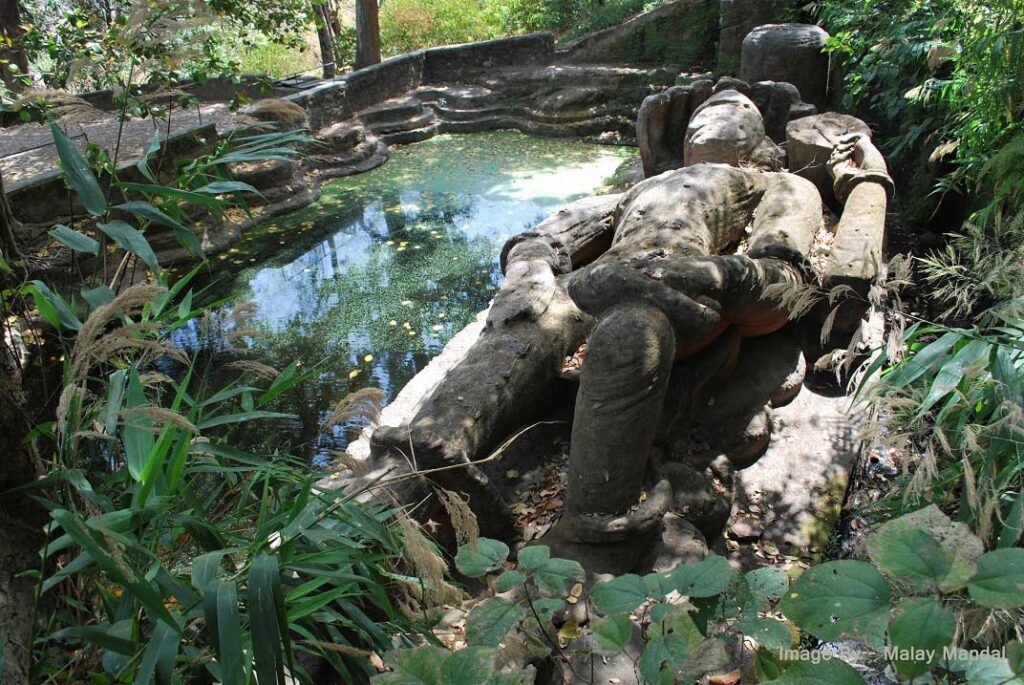
Bandhavgarh is not just a wildlife destination; it is a land steeped in mythology, history, and royal heritage. The name “Bandhavgarh” originates from two Sanskrit words: Bandhav, meaning brother, and Garh, meaning fort.
According to the ancient epic Ramayana, Lord Rama gifted the Bandhavgarh Fort to his younger brother Lakshmana after defeating Ravana. Lakshmana was entrusted with guarding the fort, giving rise to the name “Bandhavgarh.”
The majestic Bandhavgarh Fort, believed to be over 2,000 years old, stands atop a hill overlooking the forests. The area is dotted with ancient temples, inscriptions, caves, sculptures, and relics that reflect centuries of cultural significance.
For centuries, the forests around Bandhavgarh served as the private hunting grounds of the Maharajas of Rewa. During the princely era, hunting was a royal tradition, and the region was famous for hosting dignitaries and nobles on hunting expeditions.
Following India’s independence, conservation efforts gradually replaced hunting practices. In 1968, Bandhavgarh was declared a National Park, covering approximately 105 square kilometres. Recognising its exceptional tiger population and ecological importance, it became a Tiger Reserve under Project Tiger in 1993. Today, the reserve has expanded significantly and is regarded as one of India’s most successful wildlife conservation stories.
Geography and Habitat
Nestled within the Vindhya mountain range in eastern Madhya Pradesh, Bandhavgarh National Park showcases a spectacular blend of rolling hills, dense forests, open meadows, rocky cliffs, seasonal streams, and bamboo groves.
The landscape varies dramatically throughout the park, creating diverse habitats that support an incredible variety of wildlife.
Dense Sal Forests
Sal trees dominate much of Bandhavgarh’s landscape, forming thick canopies that provide shelter for tigers, leopards, deer, and numerous bird species. These forests remain lush for most of the year and are among the most productive ecosystems in central India.
Bamboo Forests
Clusters of bamboo create ideal cover for predators and herbivores alike. Tigers often use bamboo patches while stalking prey, making these areas exciting during safaris.
Grasslands and Meadows
Open grasslands known locally as “Chaurs” are among the best places to observe grazing animals such as chital, sambar, nilgai, and wild boar. These meadows also offer excellent opportunities for tiger sightings, especially during early morning safaris.
Hills and Rocky Cliffs
The park’s undulating terrain includes sandstone cliffs, rocky outcrops, and steep hills that provide habitat for leopards, sloth bears, reptiles, and numerous raptors.
Water Bodies
Seasonal streams, natural ponds, and waterholes become vital lifelines during the summer months. Wildlife frequently gathers around these water sources, increasing the chances of memorable sightings.
Wildlife in Bandhavgarh National Park
Bandhavgarh is internationally recognised for its remarkable biodiversity. While tigers remain the biggest attraction, the park supports hundreds of animal, bird, reptile, and insect species that contribute to its thriving ecosystem.
Royal Bengal Tiger
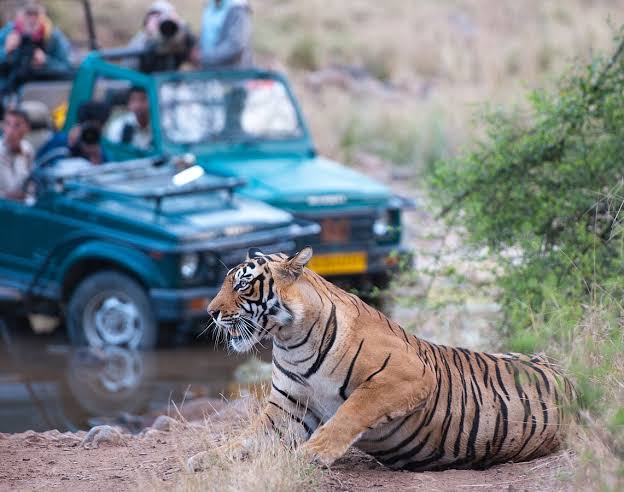
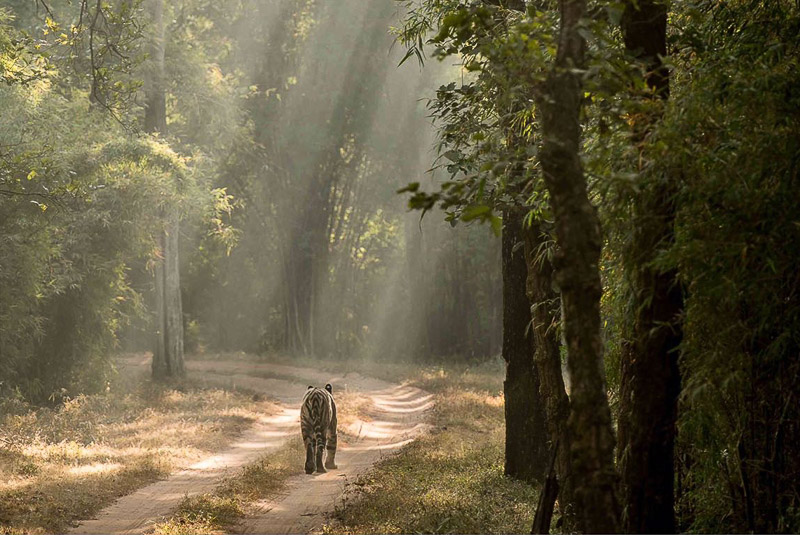
Bandhavgarh consistently ranks among India’s best tiger reserves due to its healthy tiger population and frequent sightings. Visitors often witness tigers walking along safari tracks, resting near waterholes, or hunting within the grasslands.
The park has gained global recognition through legendary tigers whose stories have inspired wildlife enthusiasts worldwide.
Leopards
Although more elusive than tigers, leopards inhabit rocky hills and dense forests throughout the reserve. They are primarily active during dawn and dusk and occasionally appear during jeep safaris.
Sloth Bear
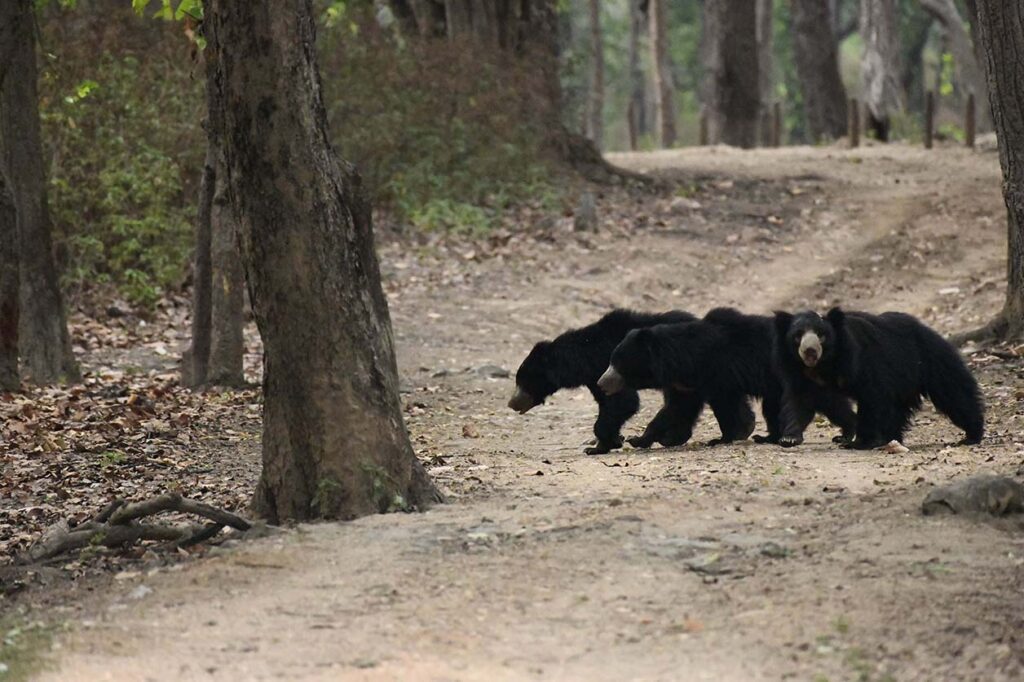
Sloth bears are another fascinating resident of Bandhavgarh. They forage for termites, fruits, and honey and are commonly seen during the summer season.
Indian Gaur
The Indian Gaur, often called the Indian bison, is the largest wild bovine in the world. These powerful herbivores can frequently be spotted grazing in meadows or near forest edges.
Deer Species
Bandhavgarh supports a healthy population of herbivores, including:
- Chital (Spotted Deer)
- Sambar Deer
- Barking Deer
- Four-horned Antelope (Chousingha)
These species form the primary prey base for the park’s large carnivores.
Other Mammals
Visitors may also encounter:
- Wild Boar
- Golden Jackal
- Jungle Cat
- Indian Fox
- Striped Hyena
- Rhesus Macaque
- Hanuman Langur
- Indian Pangolin (rare)
- Small Indian Civet
Reptiles
The park is home to several reptile species, including:
- Indian Rock Python
- Monitor Lizard
- Rat Snake
- Cobra
- Krait
- Various freshwater turtles
Birdlife of Bandhavgarh
Bandhavgarh is a paradise for birdwatchers, with more than 250 recorded bird species.
Some of the most sought-after species include:
- Crested Serpent Eagle
- Changeable Hawk Eagle
- Indian Paradise Flycatcher
- Asian Paradise Flycatcher
- Indian Roller
- Green Bee-eater
- Plum-headed Parakeet
- White-rumped Shama
- Malabar Pied Hornbill
- Grey Hornbill
- Brown Fish Owl
- Crested Hawk Eagle
- Scarlet Minivet
- Tickell’s Blue Flycatcher
- Golden Oriole
- Black Drongo
- White-eyed Buzzard
Winter visitors can also observe several migratory species, making Bandhavgarh an excellent destination for bird photography and birdwatching tours.
Why is Bandhavgarh Famous for Tiger Sightings?
Several factors contribute to Bandhavgarh’s exceptional reputation among wildlife enthusiasts:
- One of India’s highest tiger densities.
- Excellent prey population supporting large predators.
- Diverse habitats suitable for tiger movement.
- Experienced forest guides and safari drivers.
- Well-maintained safari routes.
- Regular wildlife monitoring and conservation efforts.
- Relatively compact tourism zones that improve sighting opportunities.
Although wildlife sightings can never be guaranteed, Bandhavgarh consistently offers some of the best chances to observe tigers in the wild, making it a must-visit destination for anyone passionate about India’s natural heritage.
Safari Zones in Bandhavgarh National Park
Bandhavgarh National Park is divided into multiple safari zones, each offering a distinct landscape, wildlife experience, and chance of spotting the elusive Royal Bengal Tiger. While every zone is rich in biodiversity, understanding the characteristics of each can help visitors choose the best safari based on their interests.
Tala Zone – The Most Popular Safari Zone
The Tala Zone is the oldest and most sought-after safari zone in Bandhavgarh. It is often considered the heart of the tiger reserve and has earned a global reputation for its excellent tiger sightings. This zone features dense sal forests, open grasslands, rocky hills, bamboo patches, and scenic water bodies, creating an ideal habitat for a wide variety of wildlife.
Historically, Tala has been home to several legendary tigers, making it a favourite among wildlife photographers, filmmakers, and first-time visitors.
Highlights of Tala Zone
- Highest probability of tiger sightings
- Home to the famous Shesh Shaiya statue
- Ancient caves and historical ruins
- Beautiful grasslands such as Chakradhara Meadow
- Rich birdlife throughout the year
- Excellent opportunities for wildlife photography
Apart from tigers, visitors frequently encounter leopards, sambar deer, chital, wild boar, langurs, jackals, and numerous bird species.
Recommended for: First-time visitors, wildlife photographers, and tiger enthusiasts.
Magadhi Zone – Consistent Wildlife Sightings
Located adjacent to Tala, the Magadhi Zone is another highly productive safari zone known for its healthy tiger population. The landscape consists of dense forests interspersed with open meadows and seasonal streams.
Over the years, Magadhi has become famous for repeat tiger sightings and offers a slightly less crowded safari experience compared to Tala.
Highlights of Magadhi Zone
- Excellent tiger movement
- Open landscapes ideal for photography
- Healthy herbivore population
- Scenic safari routes
- Frequent sightings of sloth bears and jackals
The combination of forest cover and open areas makes Magadhi one of the best zones for observing natural predator-prey interactions.
Recommended for: Repeat visitors, photographers, and wildlife lovers seeking quieter safari routes.
Khitauli Zone – Leopard Country
The Khitauli Zone is characterised by mixed forests, bamboo groves, rolling hills, and wider safari tracks. Although tiger sightings are possible, Khitauli has earned a reputation for its leopard population.
Birdwatchers also appreciate this zone because of its diverse avian life and comparatively peaceful environment.
Highlights of Khitauli Zone
- Good chances of leopard sightings
- Excellent birdwatching opportunities
- Scenic forest drives
- Diverse landscapes
- Less tourist traffic
Visitors may also encounter gaur, barking deer, sloth bears, and numerous raptors during their safari.
Recommended for: Birdwatchers, photographers, and experienced wildlife enthusiasts.
Panpatha Zone – A Hidden Wilderness
The Panpatha Zone is one of the newer tourism zones in Bandhavgarh and offers a more offbeat safari experience. Covering a vast stretch of forest, Panpatha is known for its untouched wilderness and lower visitor numbers.
Although tiger sightings may require more patience, the experience of exploring pristine forests with minimal tourist traffic is rewarding.
Highlights of Panpatha Zone
- Dense natural forests
- Quiet safari experience
- Rich biodiversity
- Ideal for nature lovers
- Beautiful landscapes
Wildlife sightings may include tigers, leopards, sloth bears, wild dogs, deer, and a variety of birds.
Recommended for: Nature enthusiasts, repeat visitors, and those seeking a less commercial safari.
Dhamokhar Zone – The Emerging Tiger Destination
Introduced as one of the latest tourism zones, Dhamokhar is quickly gaining popularity due to its increasing tiger movement and relatively uncrowded safari routes.
Its varied terrain of forests, grasslands, and water sources provides excellent opportunities to observe wildlife in a peaceful setting.
Highlights of Dhamokhar Zone
- Growing tiger population
- Scenic landscapes
- Fewer safari vehicles
- Diverse wildlife
- Excellent for photographers seeking uninterrupted sightings
As conservation efforts continue, Dhamokhar is expected to become one of Bandhavgarh’s premier safari destinations.
Buffer Zones
The buffer areas surrounding the core zones play a crucial role in wildlife conservation by providing additional habitat for animals while reducing pressure on the core forest.
Popular buffer zones include:
- Johila Buffer
- Dhamokhar Buffer
- Panpatha Buffer
These zones offer affordable safari options and often provide rewarding sightings of tigers, leopards, deer, wild boar, birds, and other wildlife.
Buffer safaris are particularly suitable for visitors who wish to enjoy multiple safaris during their stay.
Bandhavgarh Safari Timings
Safari timings vary depending on the season and daylight hours. The Forest Department may adjust timings slightly throughout the year.
Morning Safari
| Season | Entry Time | Exit Time |
|---|---|---|
| October to February | Around 6:30 AM | Around 11:00 AM |
| March to June | Around 6:00 AM | Around 10:30 AM |
Afternoon Safari
| Season | Entry Time | Exit Time |
| October to February | Around 2:30 PM | Around 5:30 PM |
| March to June | Around 3:00 PM | Around 6:30 PM |
Note: Safari timings are subject to change based on weather conditions and Forest Department regulations. Visitors should always verify their reporting time before arrival.
Best Time to Visit Bandhavgarh National Park (Month-wise Guide)
Bandhavgarh remains open for tourism from October to June, while the core zones are generally closed during the monsoon season.
October
The forest turns lush green after the monsoon, making October ideal for landscape photography. Wildlife sightings gradually improve as vegetation becomes less dense.
Best for: Nature lovers and photographers.
November
Pleasant weather and excellent road conditions make November one of the most comfortable months for safaris. Bird activity also increases significantly.
Best for: Families and first-time visitors.
December
Cool mornings and mist-covered forests create a magical safari atmosphere. Migratory birds begin arriving, enhancing birdwatching opportunities.
Best for: Birdwatchers and winter travellers.
January
January remains one of the busiest months due to comfortable daytime temperatures and excellent safari conditions.
Best for: Wildlife enthusiasts and photographers.
February
The weather becomes slightly warmer, and animals are more active during both morning and evening safaris.
Best for: Balanced wildlife sightings and pleasant climate.
March
As temperatures rise, vegetation begins thinning, making wildlife easier to spot.
Best for: Tiger sightings and photography.
April
April is widely regarded as one of the best months for tiger sightings. Animals frequently visit waterholes, increasing viewing opportunities.
Best for: Wildlife photographers and serious tiger enthusiasts.
May
High temperatures encourage wildlife to gather near water sources, often resulting in spectacular sightings of tigers, leopards, gaur, and deer.
Best for: Maximum tiger sighting probability.
June
Early June continues to offer excellent wildlife sightings before the arrival of the monsoon.
Best for: Last-minute summer safaris.
How to Reach Bandhavgarh National Park
Bandhavgarh is well connected by road, rail, and air, making it accessible from major cities across India.
By Air
The nearest airports include:
- Jabalpur Airport – Approximately 165 km
- Khajuraho Airport – Approximately 250 km
- Prayagraj Airport – Approximately 250 km
- Nagpur Airport – Approximately 500 km
From the airport, visitors can hire taxis or pre-arranged transfers to reach the park.
By Train
The nearest railway stations are:
- Umaria Railway Station – Around 35 km
- Katni Junction – Around 100 km
- Jabalpur Railway Station – Around 165 km
Regular trains connect these stations with Delhi, Mumbai, Kolkata, Bhopal, Indore, and other major cities.
By Road
Bandhavgarh enjoys good road connectivity with several nearby destinations.
Approximate driving distances:
| City | Distance |
| Jabalpur | 165 km |
| Umaria | 35 km |
| Katni | 100 km |
| Khajuraho | 250 km |
| Kanha National Park | 250 km |
| Pench National Park | 380 km |
| Nagpur | 500 km |
Private taxis and self-drive vehicles are the most convenient options.
Where to Stay Near Bandhavgarh National Park
Bandhavgarh offers accommodation for every budget, ranging from luxury wildlife lodges to comfortable mid-range resorts and affordable homestays.
Luxury Resorts
Luxury jungle lodges provide premium hospitality combined with immersive wildlife experiences. Guests can expect spacious cottages, gourmet dining, naturalist-led activities, spa facilities, and personalised safari planning.
Ideal for honeymooners, photographers, families, and international travellers.
Mid-Range Resorts
Mid-range properties strike a balance between comfort and affordability. Most offer clean rooms, delicious local cuisine, safari booking assistance, and easy access to park gates.
Suitable for couples, families, and small groups.
Budget Hotels and Homestays
Budget accommodations provide comfortable stays without compromising on essential amenities. These properties are popular among backpackers, solo travellers, students, and wildlife enthusiasts planning multiple safaris.
Choosing the Right Accommodation
When selecting your stay, consider:
- Distance from the safari gate
- Resort reputation and guest reviews
- Availability of naturalists and safari assistance
- Meal inclusions
- Transportation facilities
- Family-friendly amenities
- Photography-friendly surroundings
Booking accommodation well in advance especially during weekends, holidays, and peak wildlife season is highly recommended.
Park Rules and Safari Guidelines
Bandhavgarh National Park is one of India’s most protected wildlife reserves, and every visitor plays an important role in preserving its fragile ecosystem. Following park rules not only ensures your safety but also helps minimize disturbance to wildlife.
Important Rules to Follow
- Mobile phones are not allowed inside Bandhavgarh National Park during the safari.
- Carry a valid government-issued photo ID during every safari.
- Enter the park only with a confirmed safari permit.
- Follow all instructions provided by the forest guide and safari driver.
- Do not get down from the safari vehicle inside the park unless instructed by forest officials.
- Maintain silence while observing wildlife to avoid disturbing animals.
- Never feed or attempt to approach wild animals.
- Do not litter inside the park. Carry reusable water bottles and dispose of waste responsibly.
- Smoking, alcohol, and plastic disposal inside the forest are strictly prohibited.
- Playing loud music or making unnecessary noise is not allowed.
- Flash photography should be avoided, especially during close wildlife encounters.
- Respect the designated safari route and avoid requesting drivers to leave the approved track.
- Always maintain a safe distance from wildlife.
By following these simple guidelines, visitors contribute to the long-term conservation of Bandhavgarh’s rich biodiversity.
Wildlife Photography Tips
Bandhavgarh is considered one of India’s finest destinations for wildlife photography. Whether you are using a DSLR, mirrorless camera, or a high-end smartphone, careful preparation can significantly improve your chances of capturing memorable images.
Choose the Right Equipment
A telephoto lens ranging between 200mm and 600mm is ideal for wildlife photography. Wide-angle lenses are useful for landscapes, forests, and scenic sunrise or sunset shots.
Use Natural Light
Morning and evening safaris provide the best lighting conditions. The soft golden light enhances colours and creates dramatic wildlife portraits.
Keep Your Camera Ready
Wildlife sightings often happen unexpectedly. Keep your camera switched on with suitable settings so you don’t miss the perfect moment.
Focus on Animal Behaviour
Rather than only photographing animals standing still, try capturing natural behaviour such as hunting, grooming, drinking water, or interactions between family groups.
Respect Wildlife
Avoid making noises or requesting drivers to move closer solely for photographs. Ethical wildlife photography always prioritises the well-being of animals over the perfect shot.
Camera Settings
- Fast shutter speed for moving animals
- Continuous autofocus mode
- Burst shooting for action sequences
- Higher ISO during low-light conditions
- Shoot in RAW format whenever possible for better post-processing flexibility
Birdwatching Highlights
Although Bandhavgarh is famous for its tigers, it is equally rewarding for bird enthusiasts. More than 250 bird species have been recorded in the reserve, making it one of Central India’s underrated birdwatching destinations.
Resident Birds
Some commonly seen species include:
- Indian Roller
- Green Bee-eater
- Plum-headed Parakeet
- White-throated Kingfisher
- Crested Serpent Eagle
- Grey Hornbill
- Black Drongo
- Scarlet Minivet
- White-eyed Buzzard
- Brown Fish Owl
- Oriental Honey Buzzard
- Jungle Owlet
Winter Migratory Birds
From November to February, several migratory birds visit Bandhavgarh, adding even greater diversity to the park’s avifauna.
Best Time for Birdwatching
The ideal birdwatching season extends from November to March, when pleasant weather and increased bird activity make sightings easier.
Tips for Birdwatchers
- Carry binoculars (8×42 or 10×42 recommended).
- Bring a field guide or bird identification app.
- Listen carefully for bird calls.
- Visit early morning safaris for maximum activity.
- Wear earth-toned clothing to blend into the surroundings.
What to Pack for Your Bandhavgarh Safari
Packing wisely ensures a comfortable and enjoyable wildlife experience.
Essential Documents
- Government-issued photo ID
- Safari booking confirmation
- Hotel reservation details
- Travel tickets
Clothing
- Neutral-coloured shirts and trousers (olive, brown, khaki, or green)
- Lightweight cotton clothing during summer
- Warm jackets, gloves, and caps during winter mornings
- Comfortable walking shoes
- Sun hat or cap
Photography Gear
- Camera
- Telephoto lens
- Extra batteries
- Memory cards
- Lens cleaning kit
- Bean bag or camera support for safari vehicles
Travel Essentials
- Sunglasses
- Sunscreen
- Lip balm
- Insect repellent
- Reusable water bottle
- Power bank
- Personal medicines
- Small backpack
- Binoculars
- Torch or flashlight
Packing light while carrying all essentials allows you to focus on enjoying your safari experience.
Frequently Asked Questions (FAQs)
1. Why is Bandhavgarh National Park famous?
Bandhavgarh is famous for its high density of Royal Bengal Tigers, excellent safari experiences, ancient Bandhavgarh Fort, and rich biodiversity.
2. Which is the best safari zone in Bandhavgarh?
Tala Zone is considered the most popular, followed by Magadhi, Khitauli and buffer zones.
3. How many safari zones are there in Bandhavgarh?
The park includes Tala, Magadhi, Khitauli, Panpatha, Dhamokhar, and several buffer zones.
4. What is the best time to visit Bandhavgarh?
October to June is the official tourism season, while April and May generally offer the highest chances of tiger sightings.
5. Is tiger sighting guaranteed?
No. Wildlife lives freely in its natural habitat, so sightings can never be guaranteed.
6. How many jeep safaris should I book?
Booking at least 2–3 safaris significantly improves your chances of spotting diverse wildlife.
7. Can children join the safari?
Yes. Children are welcome, but parents should ensure they remain quiet during the safari.
8. Is advance safari booking compulsory?
Yes. Advance booking is highly recommended, especially during weekends, holidays, and peak season.
9. What is the nearest railway station?
Umaria Railway Station is the closest.
10. Which airport is nearest?
Jabalpur Airport is the nearest major airport.
11. Is Bandhavgarh open throughout the year?
The core zones are generally open from October to June and remain closed during the monsoon.
12. Which month offers the best tiger sightings?
April and May are widely regarded as the best months.
13. Can I carry food inside the park?
Only light snacks and drinking water are generally permitted. Avoid littering.
14. Are private vehicles allowed inside the park?
No. Only authorised safari vehicles with valid permits are allowed.
15. Is mobile network available?
Most resorts offer wifi connectivity, and stable mobile network around Tala zone.
16. How long does one safari last?
Approximately 3.5 to 4.5 hours.
17. Can I use a drone?
No. Drone photography is strictly prohibited without special permission.
18. Are guides compulsory?
Yes. Every safari includes an authorised forest guide.
19. Is Bandhavgarh suitable for senior citizens?
Yes. Jeep safaris are comfortable, though visitors should be prepared for bumpy forest tracks.
20. Which animals can I see besides tigers?
Leopards, sloth bears, gaur, deer, jackals, wild boar, langurs, reptiles, and numerous bird species.
21. Which is better Bandhavgarh or Kanha?
Both are exceptional. Bandhavgarh is known for frequent tiger sightings, while Kanha is celebrated for its expansive landscapes and thriving population of barasingha (swamp deer).
22. Are elephant safaris available?
Elephant safaris are generally not offered for tourism. Jeep safaris remain the primary way to explore the park.
23. Can I book safaris at the last minute?
During peak season, last-minute availability is limited. Booking 90 days in advance is recommended.
24. Is Bandhavgarh safe for families?
Yes. The park is well-managed, and guided safaris are safe when park regulations are followed.
25. How many days should I spend in Bandhavgarh?
A stay of 2–3 nights with multiple safaris provides a well-rounded wildlife experience.
Why Book Your Bandhavgarh Safari with Vanraj Safaris?
Planning a wildlife holiday involves much more than reserving a safari permit. Choosing the right travel partner ensures a smooth, enjoyable, and memorable experience from start to finish.
At Vanraj Safaris, we specialize in wildlife holidays across India’s leading national parks, helping travelers explore the country’s incredible biodiversity with confidence and convenience.
Why Travelers Choose Vanraj Safaris
- End-to-end safari planning and assistance
- Official safari permit booking support
- Wide selection of luxury, premium, and budget wildlife resorts
- Experienced wildlife travel consultants
- Customized itineraries for families, photographers, birdwatchers, and wildlife enthusiasts
- Assistance with airport, railway station, and inter-park transfers
- Transparent pricing with no hidden charges
- Dedicated customer support before and during your trip
- Multi-park wildlife tour packages covering Bandhavgarh, Kanha, Pench, Satpura, Tadoba, Ranthambore, Jim Corbett, Kaziranga, and other renowned reserves
Whether you’re planning your first jungle adventure or a specialized wildlife photography expedition, Vanraj Safaris is committed to delivering a seamless and unforgettable experience.
Conclusion
Bandhavgarh National Park is much more than a destination for tiger sightings. It is a remarkable blend of history, mythology, breathtaking landscapes, and thriving wildlife that leaves a lasting impression on every visitor.
From the legendary Tala Zone and the peaceful forests of Panpatha to the vibrant birdlife and ancient Bandhavgarh Fort, every safari offers a new story waiting to unfold. Careful planning, multiple safaris, and choosing the right travel partner can make your journey even more rewarding.
If you’re dreaming of witnessing the Royal Bengal Tiger in its natural habitat, exploring pristine forests, and creating unforgettable memories, Bandhavgarh deserves a place at the top of your wildlife travel list.
Let Vanraj Safaris help you plan your perfect Bandhavgarh adventure with expertly curated safari bookings, comfortable accommodations, and personalized travel assistance.