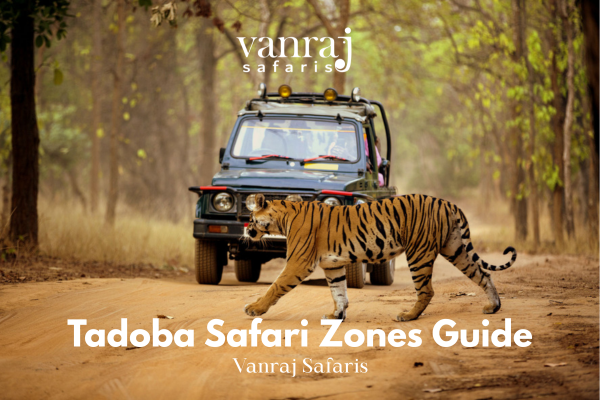
Tadoba National Park, officially known as Tadoba-Andhari Tiger Reserve, is Maharashtra’s oldest and one of India’s most celebrated tiger reserves. Located in the Chandrapur district, the reserve has become a dream destination for wildlife photographers, nature enthusiasts, families, and international travellers looking for an authentic tiger safari experience.
Spread across more than 1,700 square kilometres, Tadoba consists of pristine teak forests, bamboo thickets, open grasslands, rocky escarpments, lakes, and seasonal streams. The reserve is divided into Core Zones, where wildlife conservation remains the primary objective, and Buffer Zones, which provide additional habitat while allowing sustainable tourism.
Today, Tadoba is widely recognised for its consistently high tiger sightings, making it one of India’s most rewarding safari destinations throughout the year.
Explore Tadoba with experienced naturalists.
History of Tadoba
The name “Tadoba” originates from the local tribal deity “Taru,” who is believed to have lost his life while fighting a tiger. According to local folklore, Taru continues to protect the forest, and a shrine dedicated to him still exists near Tadoba Lake.
The forest was declared a National Park in 1955. In 1986, the surrounding Andhari Wildlife Sanctuary was added, forming the Tadoba-Andhari Tiger Reserve. Following the launch of Project Tiger, conservation efforts significantly improved wildlife populations and habitat quality.
Over the last two decades, Tadoba has transformed into one of India’s leading tiger reserves, known for successful breeding of tigers, excellent forest management, and responsible wildlife tourism. The reserve now attracts visitors from across the globe while continuing to play a vital role in tiger conservation.
Major Predators of Tadoba
Tadoba is famous for its healthy population of apex predators, making every safari exciting and unpredictable.
The reserve is home to:
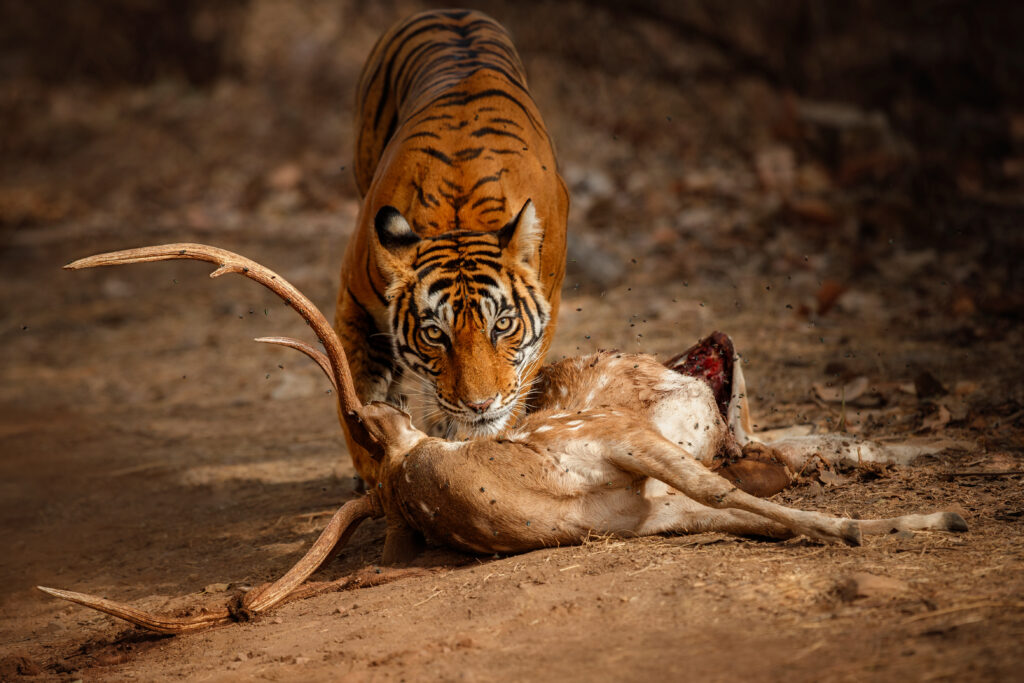
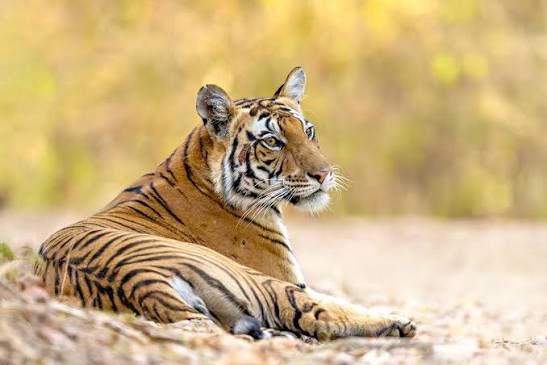
- Bengal Tiger – the undisputed king of Tadoba and the main attraction.
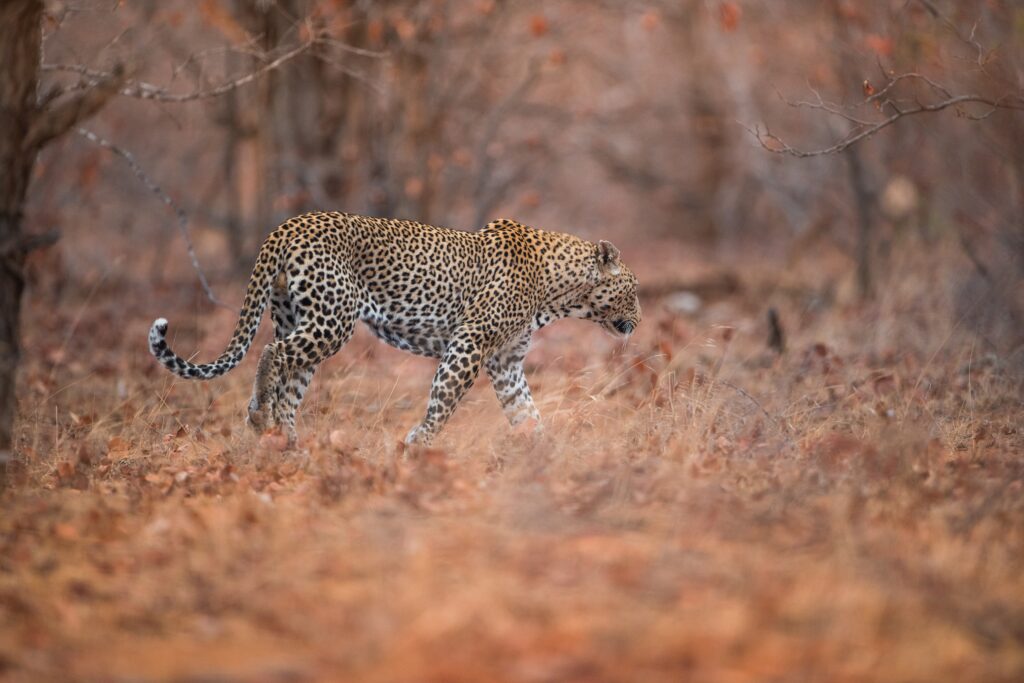
- Indian Leopard – often spotted in buffer forests and rocky terrain.
- Dhole (Indian Wild Dog) – highly intelligent hunters that move in coordinated packs.
- Sloth Bear – frequently seen searching for termites and fruits.
- Jungle Cat – a shy but fascinating small predator.
- Indian Wolf – occasionally recorded in peripheral landscapes.
- Striped Hyena – mostly active after sunset.
- Mugger Crocodile – inhabits lakes, reservoirs, and river systems.
Each predator contributes to maintaining the ecological balance of the forest.
Other Wildlife Found in Tadoba
Apart from predators, Tadoba supports an impressive diversity of mammals.
Commonly seen animals include:
- Gaur (Indian Bison)
- Sambar Deer
- Chital (Spotted Deer)
- Nilgai
- Barking Deer
- Four-Horned Antelope
- Wild Boar
- Hanuman Langur
- Rhesus Macaque
- Indian Hare
- Porcupine
- Small Indian Civet
- Indian Giant Squirrel
- Mongoose
- Flying Squirrel (rare)
These herbivores and smaller mammals provide the foundation of Tadoba’s rich food chain.
Birds of Tadoba
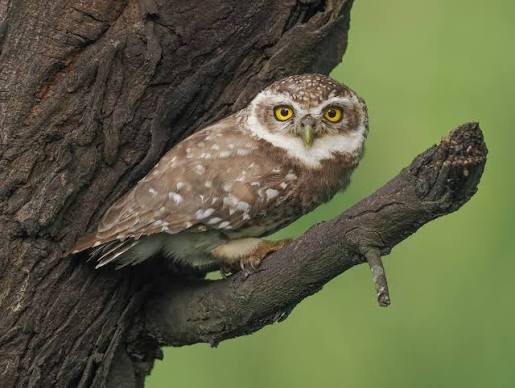
Birdwatchers can record over 280 bird species across different habitats.
Popular birds include:
- Crested Serpent Eagle
- Changeable Hawk-Eagle
- Grey-headed Fish Eagle
- Indian Pitta
- Paradise Flycatcher
- Indian Roller
- Plum-headed Parakeet
- White-eyed Buzzard
- Oriental Honey Buzzard
- Crested Treeswift
- Green Bee-eater
- Woolly-necked Stork
- Lesser Adjutant
- Painted Stork
- Black Drongo
- Malabar Pied Hornbill
- Kingfishers
- Peafowl
- Owls
- Woodpeckers
Winter months bring numerous migratory birds, making Tadoba equally rewarding for bird enthusiasts.
Tadoba Core Safari Zones
The Core Zones are considered the heart of Tadoba Tiger Reserve. These forests have minimal human disturbance and are known for exceptional wildlife sightings, especially tigers.
Moharli Core Zone
Moharli is the oldest, most famous, and busiest safari gate in Tadoba. The landscape consists of bamboo forests, water bodies, meadows, and dense teak woodland. Numerous legendary tigers have established territories around Moharli, making it one of the highest tiger sighting zones in India.
Apart from tigers, visitors frequently encounter leopards, sloth bears, gaur, wild dogs, crocodiles, and a remarkable variety of birds.
Nearby Buffer Zones:
- Junona Buffer – 3 km
- Agarzari Buffer – 7 km
- Dewada Buffer – 7 km
- Adegaon Buffer – 7 km
- Mamla Buffer – 42 km
These nearby buffer zones are excellent alternatives when core permits are unavailable and often produce outstanding wildlife sightings.
Navegaon Core Zone
Navegaon offers a quieter safari experience with dense forests, scenic waterholes, and excellent opportunities to observe wildlife behaviour. The zone has become increasingly popular due to its growing tiger population and relatively lower vehicle density.
Nearby Buffer Zones:
- Navegaon-Ramdegi Buffer – 20 km
- Nimdhela Buffer – 20 km
Visitors often combine core and buffer safaris to maximise their wildlife experience.
Trusted safari planning by Vanraj Safaris.
Kolara Core Zone
Kolara is among the most preferred entry gates because of its excellent road connectivity and premium accommodation options nearby. The forest comprises bamboo patches, mixed deciduous woodland, and natural water sources that support abundant wildlife.
Frequent sightings include tigers, leopards, sloth bears, gaur, deer, and numerous bird species.
Nearby Buffer Zones:
- Madnapur Buffer – 10 km
- Belara Buffer – 12 km
- Palasgaon Buffer – 15 km
- Alizanza Buffer – 20 km
- Shirkheda Buffer – 21 km
- Kolara Chauradeo Buffer – Adjacent to Kolara
Each of these buffer zones extends the wildlife habitat beyond the core area while offering rewarding safari opportunities.
Pangdi Core Zone
Pangdi is among the newer safari zones and remains comparatively less crowded. Dense bamboo vegetation, seasonal streams, and peaceful forest tracks make it ideal for visitors seeking a quieter wildlife experience.
Nearby Buffer Zones:
- Pangdi Aswal Chuha Buffer – 8 km
- Somnath Buffer – 29 km
Wild dogs, sloth bears, leopards, herbivores, and occasionally tigers are frequently reported from this landscape.
Zari Core Zone
Zari has rapidly gained popularity because of increasing tiger activity and beautiful forest landscapes. The safari routes pass through bamboo forests, open meadows, and natural waterholes that attract wildlife throughout the day.
Nearby Buffer Zones:
- Zari Peth Buffer – 4 km
- Keslaghat Buffer – 18 km
The combination of fewer safari vehicles and healthy wildlife populations makes Zari an excellent choice for photographers and repeat visitors.
Core vs Buffer Zones: Which One Should You Choose?
Many travellers assume only the Core Zones offer memorable safaris, but this is no longer true. Buffer Zones have become important wildlife habitats where several resident tigers regularly move and establish territories.
Core Zones generally provide denser forests and iconic safari routes, while Buffer Zones often offer:
- Better permit availability
- Less crowded safari routes
- Longer wildlife encounters
- Excellent photography opportunities
- Competitive safari pricing
A combination of both Core and Buffer safaris offers the best chance of experiencing Tadoba’s incredible biodiversity.
Best Time to Visit Tadoba Safari Zones
- October to February: Pleasant weather, lush forests, excellent birdwatching.
- March to May: Highest probability of tiger sightings as animals gather near water sources.
- June to September: The core remains closed during the monsoon, while selected buffer zones may remain operational depending on forest department regulations.
Plan Your Tadoba Safari Wisely
Choosing the right safari gate depends on your accommodation, travel dates, safari permit availability, and wildlife interests. Every zone offers something unique, and no single gate guarantees tiger sightings.
Booking your safari well in advance increases the chances of securing preferred safari zones, especially during weekends and holiday seasons.
At Vanraj Safaris, our wildlife specialists help travellers select the most suitable safari zones, premium stays, and safari combinations based on availability rather than simply choosing the most popular gate. This ensures a smoother and more rewarding wildlife experience for families, photographers, and international guests seeking a professionally planned Tadoba safari.
Frequently Asked Questions (FAQ)
1. Which is the best safari zone in Tadoba?
Moharli, Kolara, Navegaon, Zari, and Pangdi are all excellent. The best choice depends on permit availability and current wildlife movement.
2. Are buffer zones good for tiger sightings?
Yes. Several buffer zones now have resident tigers and regularly offer excellent sightings.
3. Which Tadoba gate is least crowded?
Pangdi and Zari are generally less crowded compared to Moharli.
4. How many safari zones are there in Tadoba?
Tadoba has multiple Core and Buffer safari zones managed by the Forest Department.
5. Can I book both core and buffer safaris?
Yes. Many visitors combine both to maximise wildlife sightings.
6. Which gate is closest to Chandrapur?
Moharli is the closest major safari gate from Chandrapur.
7. Which zone is best for photographers?
Moharli, Kolara, Navegaon, and Zari are highly recommended.
8. Is Tadoba suitable for families?
Absolutely. Families with children enjoy comfortable safaris and excellent wildlife experiences.
9. When are tiger sightings highest?
March to May generally offers the highest chances of tiger sightings.
10. How many safaris should I book?
Three to five safaris provide a much better wildlife experience than a single safari.
11. Should I stay near my safari gate?
Yes. Staying close to your allocated gate reduces travel time and allows for early departures.
12. How early should I book Tadoba safari permits?
Booking 60–120 days in advance is recommended, especially during weekends and peak travel seasons.