
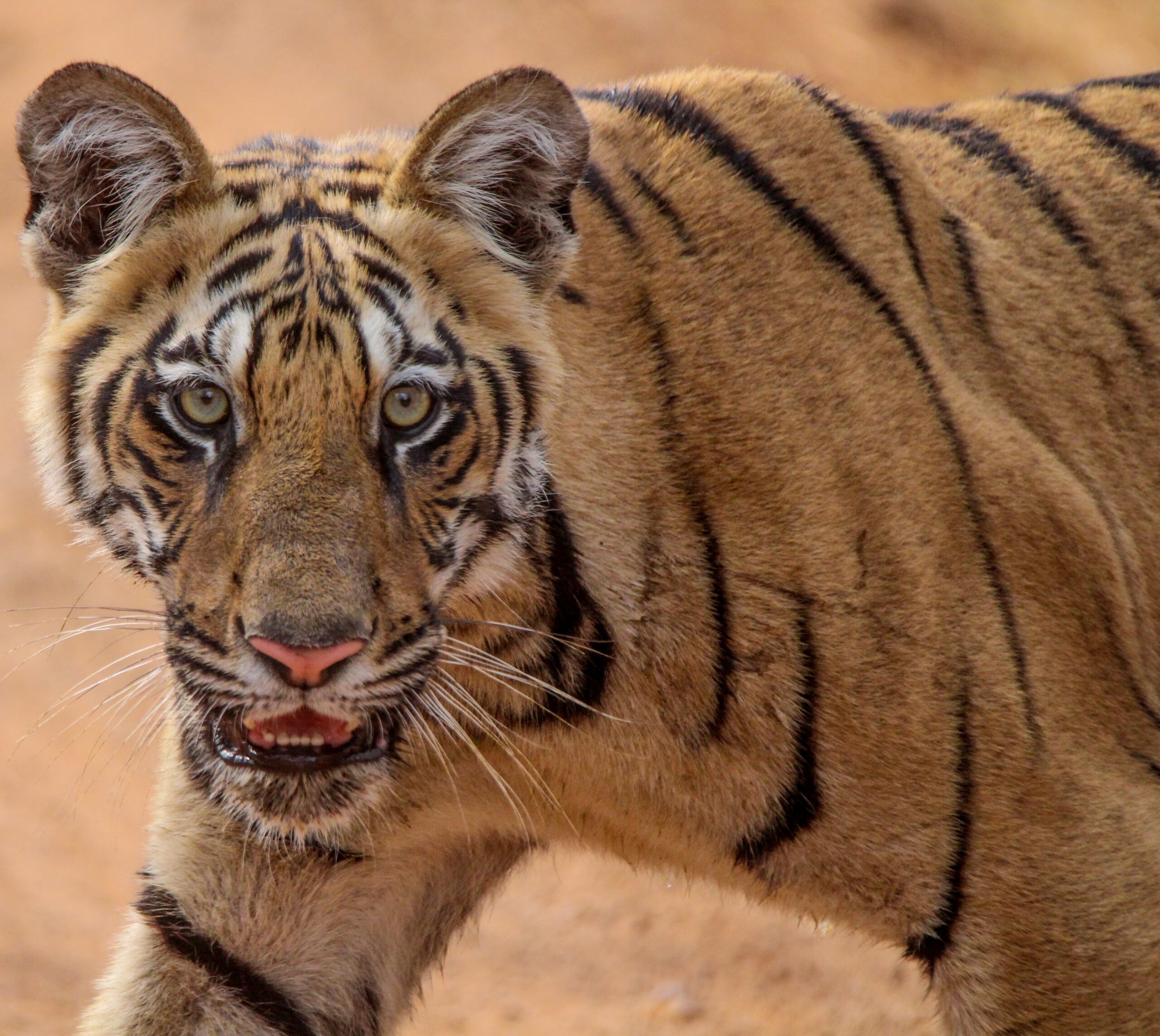
Best Indian Tiger Reserves for First-Time American Visitors
Planning an Indian safari for the very first time can feel like stepping into an entirely unknown world. For travelers crossing the Atlantic from the United States, an Indian jungle safari carries a mystique that few international vacations can rival. You have likely spent hours browsing images of open grasslands, listening to stories of Bengal tigers padding along dirt tracks, and wondering where your journey across the subcontinent should actually begin.
At Vanraj Safaris, we spend hundreds of days each year inside these forests, tracking pugmarks, listening to canopy calls, and guiding travelers from all corners of the globe through the wild heart of India. Over the decades, we have learned that for an American traveler embarking on their maiden voyage, the ideal reserve is never just about big statistics. It comes down to seamless flight connections, comfortable safari vehicles, reputable wilderness lodges, and exceptional naturalist tracking.
If you are planning your first tiger safari in India, this master guide walks you through the top reserves, how to pick the park that fits your style, what logistics to expect, and how to read the forest like a seasoned jungle traveler.
Why an Indian Wildlife Safari is Different from an African Safari
Many American travelers arrive in India having already visited the open savannahs of the Serengeti, the Masai Mara, or Kruger National Park. While Africa offers vast plains where herds of animals are visible for miles, an Indian jungle safari is an entirely different adventure.
In an Indian jungle, the wild is an intimate, layered mystery. You are not driving across open grasslands where a pride of lions lounges on a knoll in plain sight all day. Instead, you enter dense sal forests, tall elephant grass, and ancient riverbeds. Wildlife here is elusive, camouflaged, and intensely dramatic.
Seeing a wild tiger requires patience, skilled tracking, and teamwork between your driver and forest naturalist. You do not simply search for the striped coat of a cat. You search for overturned pebbles, fresh pugmarks in soft dirt, claw marks on tree trunks, and the sudden tension of the canopy. For international travelers who love the thrill of genuine wilderness tracking, an Indian wildlife safari delivers an unforgettable sensory rush that Africa simply does not mirror.
What First-Time American Visitors Should Look for in a Tiger Reserve
When selecting the best tiger reserve in India for your debut trip, you want to balance raw wildlife density with travel comfort. India is an expansive country, and travel between states can be exhausting if your route is poorly mapped.
Here are the key factors we always evaluate when building custom itineraries for international guests:
- Accessibility and Flight Connections: Flying from major US hubs such as New York, Chicago, or San Francisco means landing in Delhi or Mumbai. The easier the reserve is to reach via a short domestic flight or well paved expressway, the more relaxing your holiday will be.
- High Probability of Sightings: While wild animals follow no human schedule, reserves with dense tiger populations give first timers the highest likelihood of seeing cats on regular game drives.
- Vehicle Quality and Private Guiding: Choosing an open top four by four Gypsy over a large collective bus transforms your safari. It gives you lower camera angles, room for professional lenses, and immediate, one on one conversations with your naturalist.
- World Class Wilderness Lodges: After five hours of dust and forest exploration, coming back to a hot shower, organic local meals, quiet plunge pools, and spacious air conditioned cottages makes all the difference.
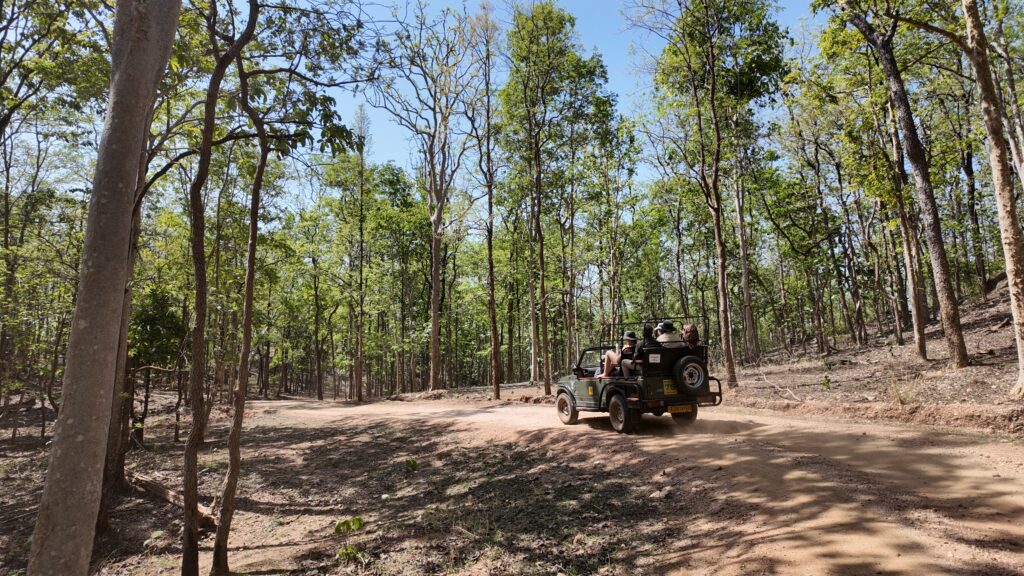
The Top Indian Tiger Reserves for First-Time American Travelers
Tadoba-Andhari Tiger Reserve: The Land of Unrivaled Big Cat Sightings
If your number one priority above all else is tiger spotting, Tadoba-Andhari Tiger Reserve in Maharashtra must be at the very top of your list. Often called the Jewel of Vidarbha, Tadoba has earned a worldwide reputation among seasoned wildlife enthusiasts for its phenomenal tiger population.
What Makes Tadoba Special for Americans
Unlike northern reserves that drop below freezing in winter, Tadoba maintains mild winters and sunny days. Its dry deciduous teak forests and abundant year round water lakes make animal movement easy to track. The reserve is home to several bold, confident tigers that are accustomed to safari jeeps, often walking straight down the main forest paths. Beyond tigers, Tadoba offers outstanding chances of seeing sloth bears, leopards, wild dogs, and marsh crocodiles.
Travel Logistics and Tips
- Location: Chandrapur district, Maharashtra.
- How to Reach: Fly into Mumbai, take a quick direct flight to Nagpur, and take a smooth two and a half hour private drive to the park gates.
- Zones and Gates: Divided between core zones such as Moharli and Kolara, and rich buffer areas like Agarzari and Junona.
- Who it Suits: Enthusiasts who want maximum time spent on active sightings and photographers eager to document big cat behavior.
Pench National Park: Gentle Forests and Effortless Travel
Straddling the border between Madhya Pradesh and Maharashtra, Pench Tiger Reserve offers open, light filled teak forests that are exceptionally friendly for first time safari goers.
What Makes Pench Special for Americans
Pench features rolling landscapes, dry river courses, and the Pench River cutting through the sanctuary. The open forest canopy provides superb visibility, making it easy to spot spotted deer, Indian bison, jackals, and leopards. Because Nagpur airport is less than two hours away by a four lane highway, Pench involves minimal road travel, making it the most relaxing stop for American families or travelers struggling with jet lag.
Travel Logistics and Tips
- Location: Seoni and Chhindwara districts, Madhya Pradesh, extending into Maharashtra.
- How to Reach: Fly into Nagpur and enjoy a short ninety minute private highway transfer.
- Prime Gates: Turia, Sillari, and Jamtara.
- Who it Suits: Travelers looking for short drive times, family groups, and travelers wanting to combine two parks on one journey.
Bandhavgarh National Park: Ancient Hills and Intense Tiger Density
Set in Madhya Pradesh, Bandhavgarh National Park is famous for possessing one of the highest recorded densities of royal Bengal tigers in the wild. If you picture an Indian jungle with steep hills, rocky cliffs, and bamboo thickets, you are picturing Bandhavgarh.
What Makes Bandhavgarh Special for Americans
The park centers around a historic plateau crowned by Bandhavgarh Fort, with ancient caves dating back two millennia carved directly into sandstone cliffs. The combination of dense bamboo, grassy clearings, and perennial streams creates a dramatic setting for wildlife photography. Tigers here have established territories that are monitored closely by local trackers, giving visitors an exceptional success rate over multiple safari drives.
Travel Logistics and Tips
- Location: Umaria district, Madhya Pradesh.
- How to Reach: Fly from Delhi to Jabalpur, followed by a comfortable four hour scenic drive through rural central India.
- Prime Core Zones: Tala, Magadhi, and Khitauli.
- Who it Suits: Serious wildlife photographers and travelers who want breathtaking hill landscapes alongside intense tracking.
Kanha National Park: The Soul of the Jungle Book
For naturalists, Kanha National Park is universally regarded as one of the best managed tiger reserves in India. This expansive sanctuary was the real world inspiration for Rudyard Kipling’s The Jungle Book, featuring emerald sal woodlands, expansive open meadows, and gentle hills.
What Makes Kanha Special for Americans
Kanha is peaceful, grand, and remarkably pristine. Because the park is so massive, safaris here feel wild and spread out, free from the vehicle crowding sometimes seen in smaller parks. Kanha is also the only place on Earth where you can see the rare hardground barasingha, a swamp deer brought back from the brink of extinction through historic conservation efforts. Watching a tiger stalk through morning mist across a wide Kanha meadow is one of the ultimate sights in global wildlife travel.
Travel Logistics and Tips
- Location: Mandla and Balaghat districts, Madhya Pradesh.
- How to Reach: Fly into Raipur or Nagpur, followed by a scenic four to five hour private chauffeur transfer.
- Prime Zones: Kanha, Kisli, Mukki, and Sarhi.
- Who it Suits: Travelers who appreciate complete wilderness immersion, birdlife, sprawling vistas, and luxury forest lodges.
Ranthambore Tiger Reserve: The Royal Fortress Forest
Located in Rajasthan, Ranthambore is easily the most famous tiger reserve in India for international travelers. It sits along the classic Golden Triangle tourist circuit, making it effortless to combine with Delhi, the Taj Mahal in Agra, and the pink palaces of Jaipur.
What Makes Ranthambore Special for Americans
The visual aesthetic of Ranthambore is unlike anything else on Earth. The park is dominated by a tenth century stone fort perched atop towering cliffs, ancient stone arches, ruined cenotaphs, and tranquil lakes covered in water lilies. Tigers here frequently walk past crumbling temple walls, hunt near water bodies, and rest in the shade of historic banyan trees.
Travel Logistics and Tips
- Location: Sawai Madhopur, Rajasthan.
- How to Reach: Fly internationally into New Delhi, take a high speed express train or luxury private car directly to Sawai Madhopur.
- Best Zones: Zones 1 through 5 are legendary for scenery and regular sightings, while Zones 6 through 10 provide quiet, rugged hill landscapes.
- Who it Suits: First time travelers looking to seamlessly pair cultural sightseeing, luxury heritage stays, and wild big cat tracking into a single vacation.
Comparing the Reserves for First-Time Visitors
Choosing between these iconic landscapes comes down to what you value most for your vacation:
Tiger Reserve | Main Landscape | Travel Style and Focus | Flight Gateway |
Ranthambore | Scrub forest, lakes, historic stone ruins | Culture and tiger combo, heritage lodges | Jaipur or New Delhi |
Tadoba-Andhari | Dry teak forest, lakes, marshland | High sighting frequency, active tracking | Nagpur |
Bandhavgarh | Rocky hills, bamboo slopes, sal forest | Dramatic photography, cat density | Jabalpur |
Kanha | Sprawling open meadows, lush sal woods | Grand wilderness, barasingha, birdlife | Nagpur or Raipur |
Pench | Open teak trees, riverbeds, soft clearings | Fast airport access, easy safari pacing | Nagpur |
How to Read the Forest: Learning the Jungle Alarm Calls
When you venture into an Indian wildlife sanctuary with Vanraj Safaris, you quickly realize that the best sightings do not happen by luck. They happen because your tracker knows how to listen.
The moment a predator begins to walk, the entire jungle reacts. Prey animals have evolved distinct vocal signals called alarm calls to announce danger. As a visitor, understanding these sounds turns an ordinary drive into a thrilling, suspenseful detective story:
- The Chital Alarm Call: Spotted deer emit a sharp, repetitive bark when they spot movement on the ground. When several deer stamp their hooves, raise their white tails, and bark in unison, a predator is close.
- The Sambar Alarm Call: Sambar are India’s largest deer, standing tall with keen eyesight and deep senses. When a sambar issues its loud, bell like, metallic honk, it almost always signifies a tiger or leopard on the prowl.
- The Langur Warning: Gray langurs sit perched high in tree canopies, possessing a bird’s eye view of the ground below. When a cat walks beneath the trees, monkeys unleash a guttural, throaty cough that follows the tiger’s trajectory along the forest floor.
- Bird Vocalizations: Jungle babblers, drongos, and peacocks have shrill calls reserved exclusively for walking carnivores.
Listening to your naturalist pause the engine, tilt their head, and whisper, “Langur call ahead,” before guiding your vehicle to an intersection is an experience you will remember for the rest of your life.
Gypsy vs Canter: Why Your Vehicle Matters
One vital detail many international travelers overlook during early planning is safari vehicle selection. Indian tiger reserves generally offer two types of transport:
The Open Gypsy
A Suzuki Gypsy is a compact, rugged four by four jeep that seats up to four to six guests alongside a driver and naturalist. It is quiet, agile, easily negotiates narrow forest tracks, and can reverse or maneuver instantly when an animal emerges. Crucially, its low seat height puts your camera at eye level with walking wildlife, producing stunning photographs.
The Canter
A canter is an open twenty seater safari bus. While budget friendly, it is noisy, cannot fit down narrow side trails, and sits high off the dirt. With twenty people shuffling, whispering, and moving, intimate wildlife viewing becomes difficult.
For American visitors traveling across the world for a premier safari holiday, we strongly advise booking private Gypsy safaris. The intimacy, maneuverability, and individualized attention from your naturalist make it worth every penny.
Practical Safari Clothing Advice for American Travelers
Packing for an Indian jungle safari is very different from packing for a city tour of Delhi or Mumbai. Forest temperatures shift dramatically throughout the day, and open jeeps expose you to breeze, dust, and sunshine.
Keep these practical rules in mind:
- Layer Up for the Morning: In winter, morning safaris start before sunrise and can be surprisingly cold, often dipping down to forty degrees Fahrenheit. Bring a warm fleece, windproof jacket, and a beanie. By mid morning, temperatures warm up comfortably, and you will want to peel those layers back to a breathable cotton t shirt.
- Wear Neutral Earth Tones: Bright colors like red, white, yellow, and royal blue stand out unnatural against the jungle, alarming sensitive prey animals. Stick strictly to olive green, khaki, beige, tan, and soft brown.
- Sun and Dust Protection: Open forest roads produce fine dust. Carry a light cotton bandana or buff to shield your face, polarized sunglasses to cut through harsh glare, a broad brimmed hat, and high SPF sunscreen.
- Leave Fragrances Behind: Avoid strong colognes, perfumes, and scented lotions. Tigers, sloth bears, and elephants have incredibly keen senses of smell, and artificial perfumes broadcast your presence long before you arrive.
Understanding India’s Safari Permit System
Booking a safari in India is fundamentally different from booking a game drive at a private ranch in North America or Africa. India’s tiger reserves are strictly regulated government conservation zones, which means entry is carefully rationed to prevent overcrowding.
Here is what you need to understand:
- Strict Quotas and Advance Booking: Each reserve has a fixed number of jeeps allowed into each zone per morning and afternoon drive. Core zone permits often sell out ninety to one hundred and twenty days in advance. Planning your vacation well ahead of time is critical.
- Passport Registration: When your permit is booked, your exact passport number, full legal name, and nationality are permanently tied to that ticket. Forest rangers verify your physical passport against your permit at the park gate every single morning.
- Core vs Buffer Zones: Core zones are the pristine inner heart of the national park, while buffer zones are the protective surrounding forests. While core areas are world famous, buffer zones in parks like Tadoba and Kanha boast exceptional wildlife sightings and often allow more relaxed permit availability.
- Gate Locations: Many Indian reserves span hundreds of square miles and have gates that sit hours apart from one another. Always ensure your luxury lodge is located near the specific gate assigned on your permit to avoid exhausting early morning drives.
Working with an expert safari team like Vanraj Safaris ensures that your permits, gates, naturalists, and luxury transfers align seamlessly from the moment you touch down.
The Golden Rules of Wildlife Safari Ethics
Entering a national park is a profound privilege. In an era where wild places are increasingly fragile, traveling ethically ensures that these sanctuaries remain safe homes for the animals we come to admire.
- Silence is Golden: Never shout, play music, or make loud phone calls in a park. When a tiger approaches, whisper quietly so you do not stress the animal or drown out alarm calls.
- Never Step Out of the Vehicle: Stepping out of your jeep inside a core wildlife zone is illegal and extremely dangerous. Wild animals view a vehicle as a single, neutral shape; the moment a human steps out on two legs, that peaceful balance is broken.
- No Littering or Plastic: Keep all snack wrappers, water bottles, and tissues secure inside your bag. Never leave anything behind in the forest.
- Respect the Animal’s Space: Trust your driver and naturalist when they decide to give a walking cat room. Crowding animals or blocking their path to a waterhole goes against everything authentic wildlife exploration stands for.
Best Time to Plan Your First Trip
Indian national parks follow distinct seasonal rhythms:
- October to November: The parks reopen after the summer monsoon rains. The jungle is vivid green, lush, and scenic, though dense foliage can make cat spotting more challenging.
- December to February: The most comfortable season for international travelers. Days are pleasant and sunny, morning air is crisp, and birdlife is exceptionally rich with winter migratory flocks.
- March to May: As temperatures rise, the forest thins out, grasses dry up, and natural watering holes shrink. Tigers spend long hours cooling off near open rivers and lakes, making late spring the peak period for tiger sightings and dynamic big cat photography.
Begin Your Wildlife Story with Vanraj Safaris
Your first trip to an Indian jungle will be an adventure unlike any other. The anticipation of following fresh tracks down a silent woodland path, the electric burst of a sambar alarm call, and the sight of a royal Bengal tiger emerging from gold morning mist are memories that stay with you forever.
At Vanraj Safaris, we believe the best wildlife vacation is never just a rapid checklist of animals. It is an expertly curated, stress free journey where luxury, seasoned tracking, and deep respect for the forest come together.
Whether you want to witness the royal ruins of Ranthambore, the legendary cat density of Tadoba, or the endless meadows of Kanha, let us design a journey tailored perfectly to your pace. Explore our bespoke safari journeys today and prepare to experience the wild like never before.