
Best Indian Tiger Reserves for First Time American Visitors
Planning a tiger safari in India from the USA? Here is everything you need to know about international flights, safari permits, seasonal timing, choosing reserves, and packing.
Planning an Indian wildlife safari from the United States involves a completely different mindset than booking a trip to Europe or an African game reserve.
You are flying halfway across the world, adjusting to a new time zone, and navigating an administrative forest permit quota system where entries are strictly regulated by state forest departments.
India is the premier destination for wild big cat tracking, holding the majority of the world’s wild Royal Bengal tigers. But turning a long-haul journey into a rewarding wilderness experience requires understanding how flight connections, seasonal climate, park gates, and safari bookings fit together long before stepping onto your flight.
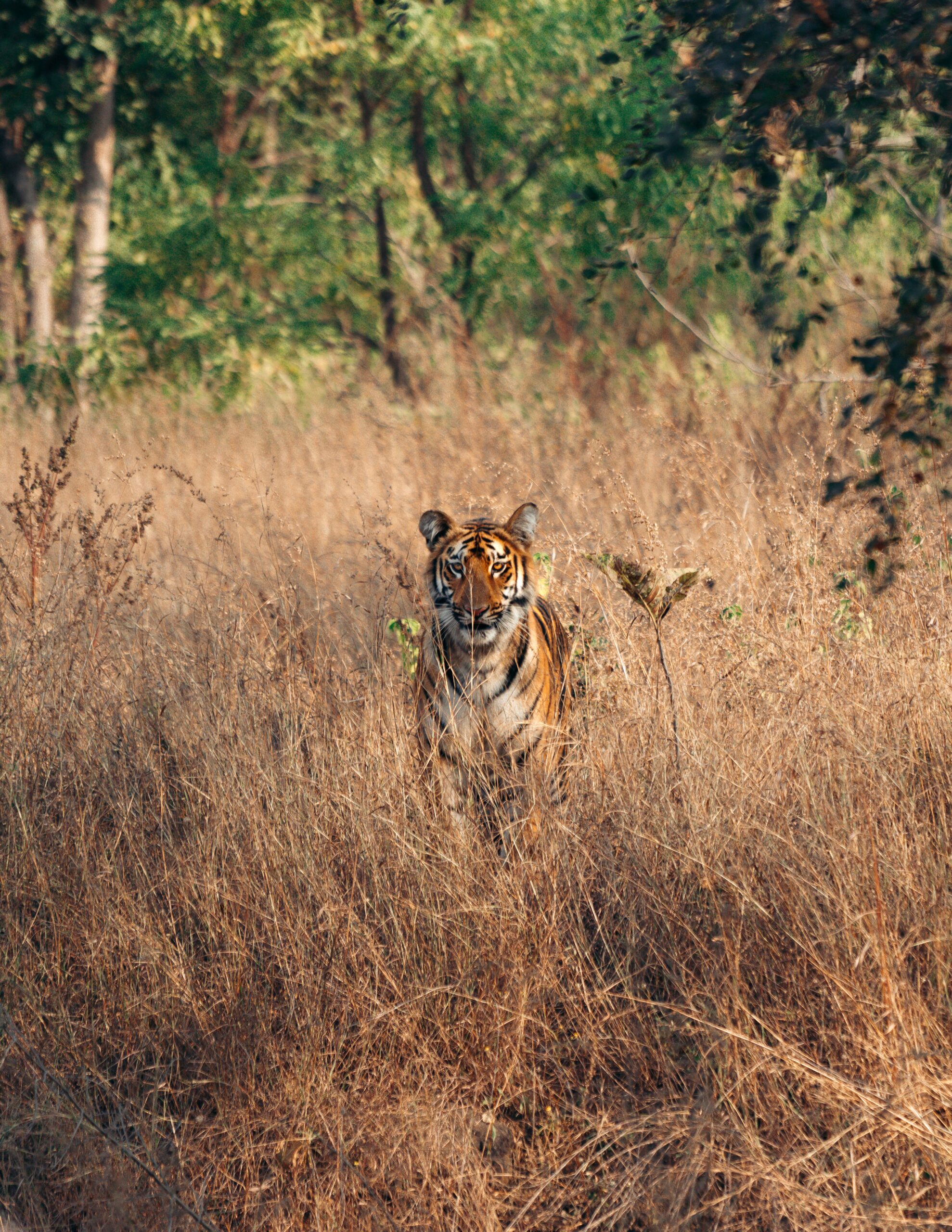
Here is what you need to know to plan a smooth, well-paced tiger safari in India.
Understanding the Journey: Getting from the US to the Jungle
A common misstep when planning an Indian jungle safari from the USA is underestimating domestic transit within India. National parks are protected wildlife habitats located away from urban centers, which means your journey happens in stages.
International Gateways
Most flights from US hubs (such as New York, San Francisco, Chicago, or Washington D.C.) land in New Delhi (DEL) or Mumbai (BOM). You can opt for non-stop long-haul routes or one-stop flights via Europe or the Middle East.
Regional Connections
Central India (The Tiger Heartland): If your destination is Tadoba-Andhari, Pench, Kanha, or Bandhavgarh, your domestic flight destination is typically Nagpur (NAG) or Jabalpur (JLR). From Nagpur, Tadoba and Pench are reachable via a smooth 2.5- to 3.5-hour highway drive.
Northern India (Heritage Landscapes): If you are heading to Ranthambore National Park, landing in Delhi allows you to take an express train directly to Sawai Madhopur, or catch a short connection to Jaipur followed by a scenic 3-hour road transfer.
💡 Planning Tip: Never schedule a safari drive on the day you arrive from an international flight. Take your first night in Delhi or Mumbai to rest, adjust to Indian Standard Time (IST), and continue into the central wilderness refreshed.
Passports, Visas, and Strict Permit Identifications
For US citizens, traveling to India requires an Indian e-Tourist Visa, which should be applied for online well ahead of your travel date. Ensure your US passport has at least six months of remaining validity and blank visa pages.
Beyond international entry, your passport plays an essential role in your safari permit booking:
State forest departments issue safari permits directly against individual identification numbers.
The exact passport number and full legal name submitted during booking must match the physical document you present at the forest check post.
If you renew your passport after reserving permits, you must carry both your old and new physical passports on every single safari drive.
When to Go: Balancing Weather and Sighting Dynamics
India’s primary tiger reserves operate seasonally, with core zones open from mid-October through June (closing during the monsoon months between July and September).
Travel Window | Climate & Conditions | Forest Character & Sightings |
|---|---|---|
November to February (Winter) | Chilly mornings (often falling below 45°F / 7°C) with pleasant, warm afternoons. | Lush landscapes, active birdlife, comfortable open-top driving conditions. |
March to April (Spring Transition) | Warming days, rising afternoon temperatures, thinning deciduous foliage. | Animals begin visiting perennial water holes; pleasant morning light for photographers. |
May to June (Peak Summer) | Intensely dry, hot conditions (temperatures often exceeding 105°F / 40°C). | Maximum visibility as vegetation recedes; high waterhole activity, though physically demanding. |
For most travellers flying from North America who want comfortable weather alongside rich wildlife viewing, late November through March offers an ideal balance.
How Safari Permits Work (And Why You Must Plan Ahead)
One fundamental difference between an Indian safari and a drive in private reserves elsewhere is regulation. Indian national parks do not permit unregulated wandering.
Permits Are Fixed: Every permit is linked to a specific date, a time slot (morning or afternoon), a designated vehicle, and a specific gate or zone.
Core vs. Buffer Zones: A core zone protects the inner sanctuary of the reserve, while buffer areas form the contiguous natural habitat surrounding it. Wild tigers do not recognise administrative borders; well-managed buffer zones frequently offer wildlife viewing that rivals core sectors.
Limited Quotas: Forest gates have daily caps on the number of vehicles permitted inside. For high-demand parks like Bandhavgarh, Tadoba, and Ranthambore, permits open up to 90 to 120 days in advance and can sell out almost immediately. Planning 4 to 6 months ahead ensures you secure the right zones and vehicle arrangements.
Choosing the Right Reserve for Your Travel Style
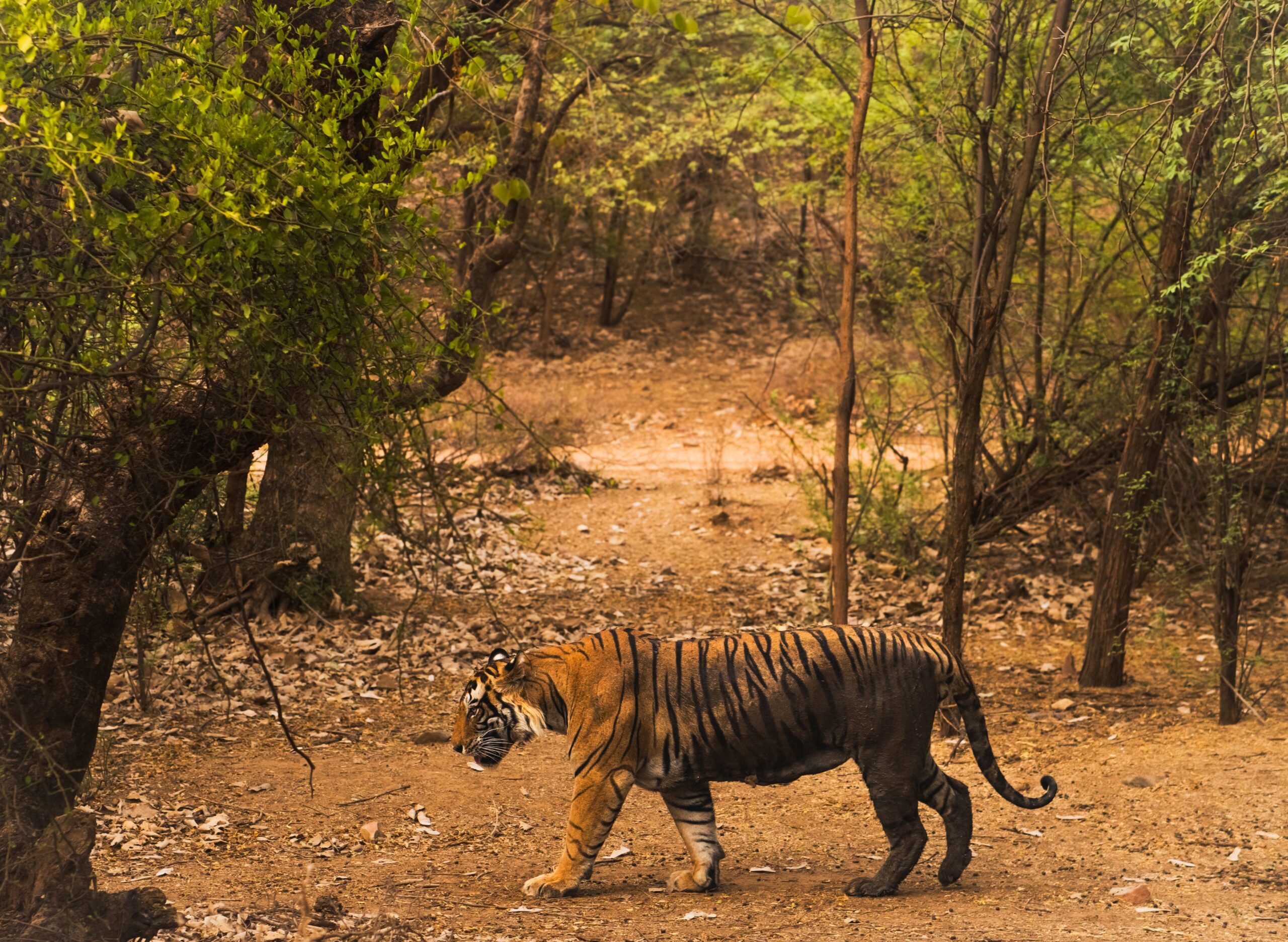 No two Indian forests offer identical wildlife or landscapes. The right reserve depends on the type of terrain and wildlife encounter you value most:
Tadoba-Andhari Tiger Reserve (Maharashtra): Characterised by dry deciduous forest, bamboo thickets, and prominent water bodies. Ideal for travellers seeking focused tiger tracking in Central India.
Kanha National Park (Madhya Pradesh): Expansive sal forests and sweeping open meadows (maidans). It is home to the hard-ground barasingha (swamp deer) and is known for its classic jungle scenery.
Bandhavgarh National Park (Madhya Pradesh): Rocky terrain, ancient hill architecture, and dense valleys known for photography.
Ranthambore National Park (Rajasthan): A landscape where wildlife shares space with heritage ruins, dry forest scrub, and historic ramparts.
Pench Tiger Reserve (Madhya Pradesh / Maharashtra): Teak forests punctuated by meandering watercourses, offering an accessible wilderness circuit when paired with Tadoba or Kanha.
Vehicles: Choosing Between a Gypsy and a Canter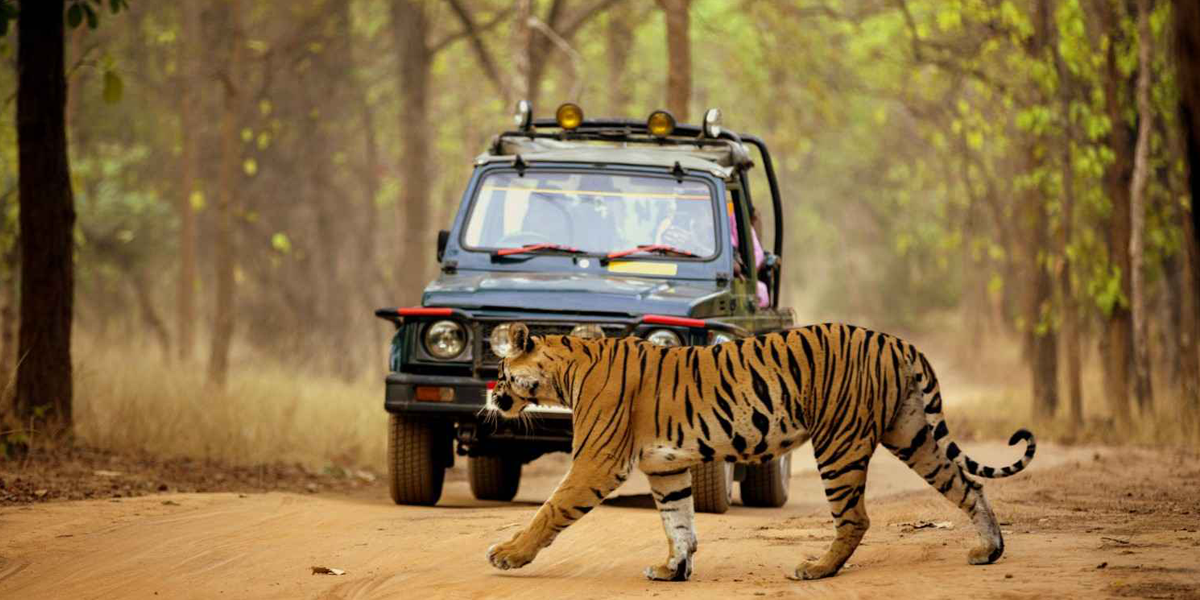
In Indian parks, game drives are conducted in open vehicles:
The 4×4 Gypsy: An open-top, purpose-built vehicle seating up to 4 to 6 guests alongside a registered driver and park guide. It is nimble, maneuvers easily along narrow forest tracks, and provides low eye-level angles for photography and quiet wildlife observation.
The Canter: An open safari bus carrying roughly 16 to 20 passengers. While practical for larger tour groups, it sits higher up and has less maneuverability on smaller forest roads.
For international travelers and photographers, reserving an exclusive 4×4 Gypsy provides the necessary freedom to stop, listen for alarm calls, and observe wildlife without feeling rushed.
Safari Packing: Practical Dressing for the Forest
Packing for an Indian safari does not require a specialized, expensive wardrobe. It requires understanding forest conditions.
- Wear Earth Tones: Pack neutral colors like khaki, beige, olive, brown, and muted gray. Bright neon colors stand out unnaturally against the foliage and can distract wildlife.
- Layer Up: Winter mornings in an open vehicle feel freezing before sunrise, but temperatures climb quickly once the sun peaks. Wear layers: a base t-shirt, a warm fleece or mid-layer, and a windbreaker that you can shed as the morning warms up.
- Dust & Sun Protection: Forest tracks are dry and dusty. Bring a versatile neck gaiter (buff), polarized sunglasses, wide-brim hat, and a camera wrap to protect your lens mechanisms between drives.
- Comfortable Footwear: Sturdy, closed-toe walking shoes are ideal. You will spend most of your time in the vehicle, but rough terrain at park gates makes comfortable shoes essential.
A meaningful safari is never about chasing an animal or forcing a photo opportunity. When you enter a reserve, you are entering wild territory on nature’s terms:
JUNGLE ETIQUETTE & SAFARI CODE
Let Wildlife Set the Pace: If an animal walks off the track into the brush, let it go. Never ask your driver to speed, block a path, or crowd an animal.
Listen to the Jungle: The drama of tracking comes from interpreting the environment a sudden warning bark from a chital, the shrill alarm call of a sambar deer, or a langur chattering from the canopy. Keep conversations quiet so you and your naturalist can listen to what the forest is telling you.
Leave No Trace: Never bring single-use plastics into the forest, and ensure all waste returns to your lodge.
Suggested 8-Day Central India Itinerary
A classic, well-paced circuit that combines two distinct Central Indian landscapes with minimal travel fatigue:
- Day 1: Arrive in Delhi / Mumbai: Check in, rest, and adjust to the local time zone.
- Day 2: Fly to Nagpur & Transfer to Tadoba: Take a morning domestic flight to Nagpur, followed by a private 3-hour road transfer to your jungle lodge near Tadoba-Andhari.
- Days 3–4: Tadoba-Andhari Tiger Reserve: Morning and afternoon Gypsy safaris exploring diverse core and buffer gates.
- Day 5: Scenic Drive to Pench: Enjoy a relaxed morning drive (approx. 3.5 hours) across the forest landscape to Pench Tiger Reserve; afternoon safari drive.
- Day 6: Pench Tiger Reserve: Full day of morning and afternoon wilderness drives.
- Day 7: Pench to Nagpur & Fly to Delhi / Mumbai: Morning drive to Nagpur airport; catch an evening domestic flight to your international gateway
- Day 8: Departure to USA: Board your return flight home.
Frequently Asked Questions
1.How many days are needed for a tiger safari in India?
To account for travel time and permit scheduling, plan for at least 7 to 10 days in India. Spend at least 3 to 4 days (or 5 to 6 safari drives) across one or two reserves to allow ample time to track wildlife across different zones and weather conditions.
2. How far in advance should US travelers book?
State forest departments enforce strict quotas on daily vehicle permits, it is best to plan and book your safari 4 to 6 months in advance. This ensures access to preferred zones, entry gates, and top-tier naturalists.
3. Are Indian tiger safaris safe?
Yes. Safaris are conducted in strictly monitored national parks accompanied by registered drivers and trained forest guides or naturalists. As long as visitors remain inside the vehicle, maintain low noise levels, and follow park guidelines, the experience is safe and well-managed.