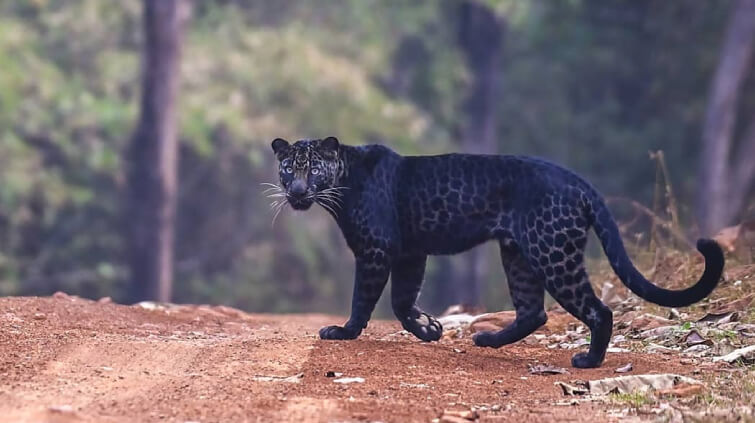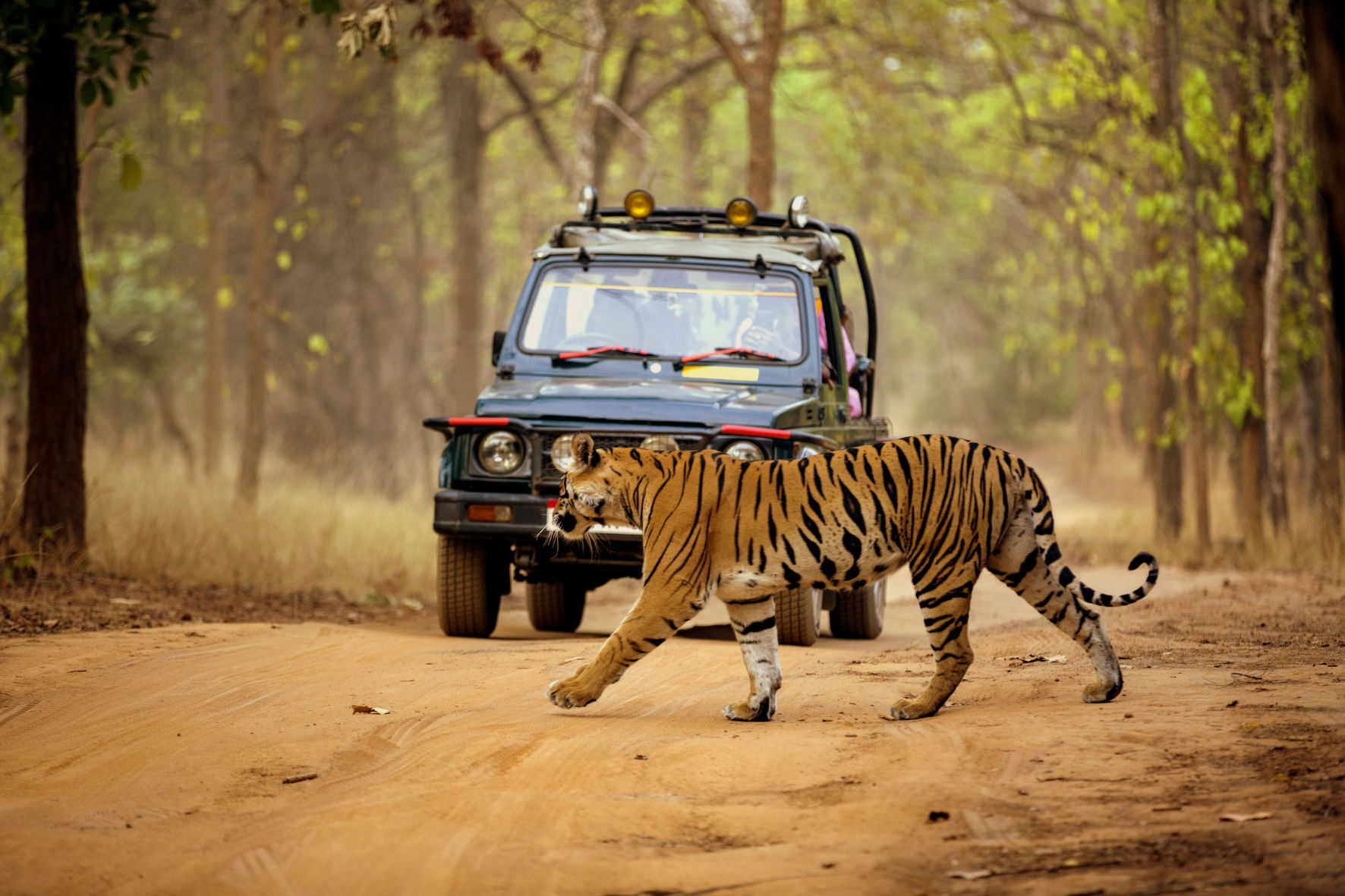
Tadoba Tiger Names by Safari Zone (2026 Guide): Zone-Wise Tigers & Their Territories
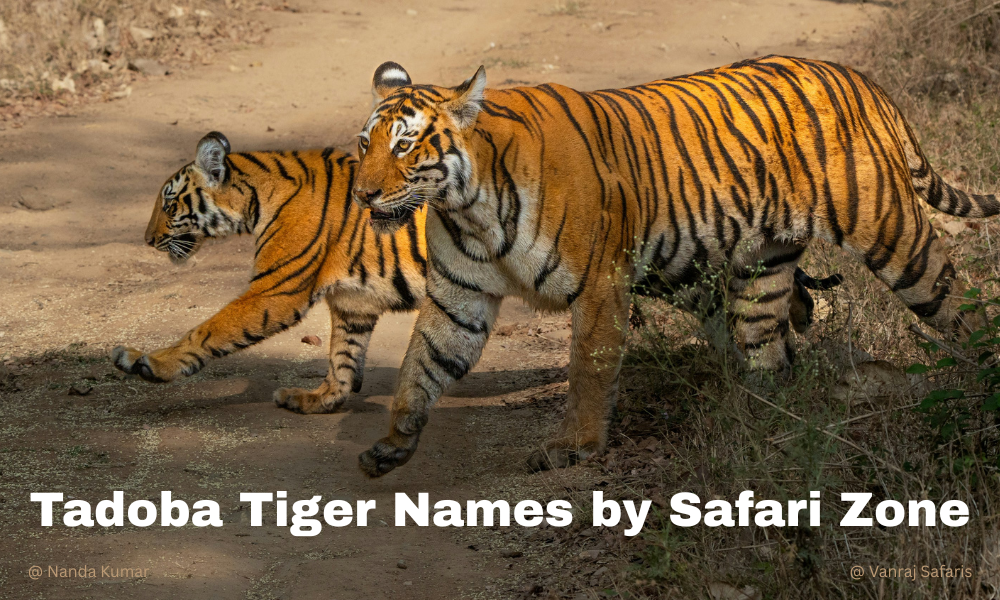
Tadoba Tiger Names by Safari Zone (Updated July 2026)
Few tiger reserves in India have earned a reputation quite like Tadoba-Andhari Tiger Reserve. Located in Maharashtra, Tadoba is celebrated for its high probability of tiger sightings and the opportunity to observe individual tigers over many years. Wildlife photographers, researchers, and safari enthusiasts often recognize these magnificent cats not just by their stripe patterns but by the names they have earned through repeated sightings.
Unlike many wildlife destinations where a tiger sighting is simply a matter of luck, Tadoba has become a reserve where visitors often hope to encounter a particular individual. Whether it is a dominant male patrolling his territory or a tigress leading her playful cubs, every safari tells a unique story.
This guide highlights the most frequently sighted tigers across Tadoba’s safari zones based on field observations available up to July 2026. Wildlife is unpredictable, and tiger territories naturally change over time due to dispersal, territorial conflicts, mating, and the growth of young cubs. As a result, the information below should be considered a practical guide rather than an official or permanent record.
READ MORE ON TADOBA SAFARI ZONES
Why Do Tadoba Tigers Have Names Instead of Only ID Numbers?
Every tiger has a unique stripe pattern, much like a human fingerprint. Forest officials and researchers identify tigers using these patterns and maintain official identification records. Over time, safari guides, naturalists, photographers, and local communities often give these tigers memorable names based on their appearance, behaviour, family lineage, or the location where they are frequently seen.
Names such as Sonam, Yuvraj, Shambhu, Junabai, and Zara have become familiar among regular visitors to Tadoba. These names make it easier for guides to discuss sightings and help visitors connect with individual animals rather than viewing them as anonymous wildlife.
How Safari Guides Identify Individual Tigers
Experienced naturalists rarely rely on names alone. Identifying a tiger requires careful observation and years of field experience. Guides usually recognise individual tigers through a combination of characteristics, including:
- Stripe patterns on both sides of the body
- Facial markings
- Ear notches and scars
- Tail rings and tip shape
- Body size and overall build
- Behaviour around vehicles and waterholes
- Established territorial movement
Because guides spend hundreds of days inside the forest every year, they often recognise individual tigers even from a brief glimpse.
Why Tiger Territories Keep Changing
A common misconception among visitors is that every tiger permanently belongs to one safari zone. In reality, tiger territories are constantly evolving.
Young males eventually leave their mother’s territory to establish their own home ranges. Dominant males defend territories from rivals, while female territories may expand or contract depending on prey availability and the growth of cubs. Seasonal water sources, breeding activity, and natural forest dynamics also influence tiger movement.
For this reason, a tiger regularly seen in one zone during one season may later be photographed in a neighbouring core or buffer zone.
Zone-Wise Tiger Details of Tadoba (Updated as per July 2026)
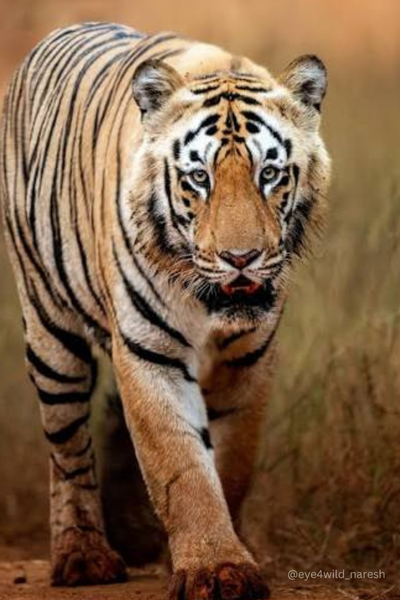 Moharli Core Zone
Moharli remains one of Tadoba’s most sought-after safari zones due to its consistent tiger movement and excellent habitat.
The most frequently sighted tigers include:
- Sonam
- Collarwali with Cubs
- Babli
- Yuvraj (Male)
- Balram (Male)
- Chota Dhadiyal
The combination of water bodies, bamboo forests and open tracks makes Moharli one of the reserve’s most rewarding safari experiences.
Junona Buffer
Junona has transformed into one of the strongest buffer zones for tiger sightings in recent years.
Frequently observed tigers include:
- Chhoti Madhu
- Shambhu
- Gauri
- W Female
- Y-Mark Male
The healthy prey base and reduced tourist pressure often allow for memorable wildlife encounters.
Agarzari Buffer
Agarzari continues to deliver reliable tiger sightings while offering a quieter safari experience.
Regularly reported tigers include:
- Sundari
- Chhoti Madhu
- Collarwali (occasionally)
- Shambhu
- Madhu with Cubs
This buffer zone is particularly attractive for visitors looking to experience a less crowded safari.
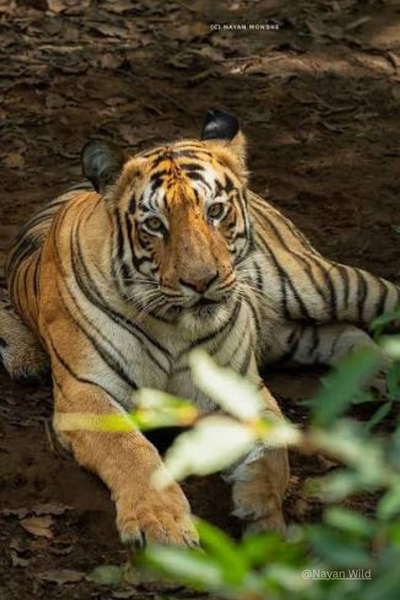
Devada Buffer
Devada has steadily become one of the most productive buffer areas within Tadoba.
Frequently sighted individuals include:
- Sundari
- Chhoti Madhu
- Collarwali (occasionally)
- Shambhu
- Madhu with Cubs
- Sonam
- Raka
The variety of resident tigers makes Devada an excellent choice for photographers and repeat visitors.
Kolara Core
Kolara offers a mix of dense forest and open meadows that support healthy tiger movement.
Commonly sighted tigers include:
- Chhota Dhadiyal
- Junabai
Although quieter than Moharli on some days, Kolara has produced many rewarding sightings over the years.
Alizanza Buffer
Alizanza is an emerging safari destination where several females with cubs have been observed.
Frequently reported tigers include:
- Chandni with 3 Cubs
- Nayantara
- Babli
- Bali
Visitors often appreciate this zone for its peaceful forest atmosphere and excellent wildlife diversity.
Madnapur Buffer
Madnapur is becoming increasingly popular among wildlife enthusiasts due to successful breeding females.
Frequently sighted include:
- Junabai with 4 Cubs
- Veera with 2 Cubs
- Cubs
The presence of multiple family groups makes this zone particularly exciting during the safari season.
Shirkheda Buffer
Shirkheda is a lesser-known but promising buffer zone.
Frequently observed tigers include:
- Charger Male
- Two Resident Females
- V7 Viralpan Nale
As tourism continues to expand into buffer areas, Shirkheda has gained increasing attention from photographers.
Belara Buffer
Belara offers another productive habitat supporting resident females and young cubs.
Frequently sighted:
- Veera
- Cubs
- Zara
Its quieter safari routes often provide a peaceful wildlife experience.
Pangdi Core
Pangdi continues to support multiple breeding females.
Frequently reported sightings include:
- Two Resident Females, each with three cubs
- Zara (Female)
The growing tiger population highlights the ecological health of this part of the reserve.
Zari Core
Zari is known for its beautiful forest landscape and regular tiger movement.
Frequently sighted:
- Zara
- Zareen
Although visitor numbers are generally lower, the zone has built a reputation for quality wildlife sightings.
Keslaghat Buffer
Keslaghat has become increasingly popular among experienced safari travellers.
Regularly sighted tigers include:
- Mama (Male)
- Zara
- Zareen
The combination of scenic forest roads and resident tigers makes this an excellent buffer safari option.
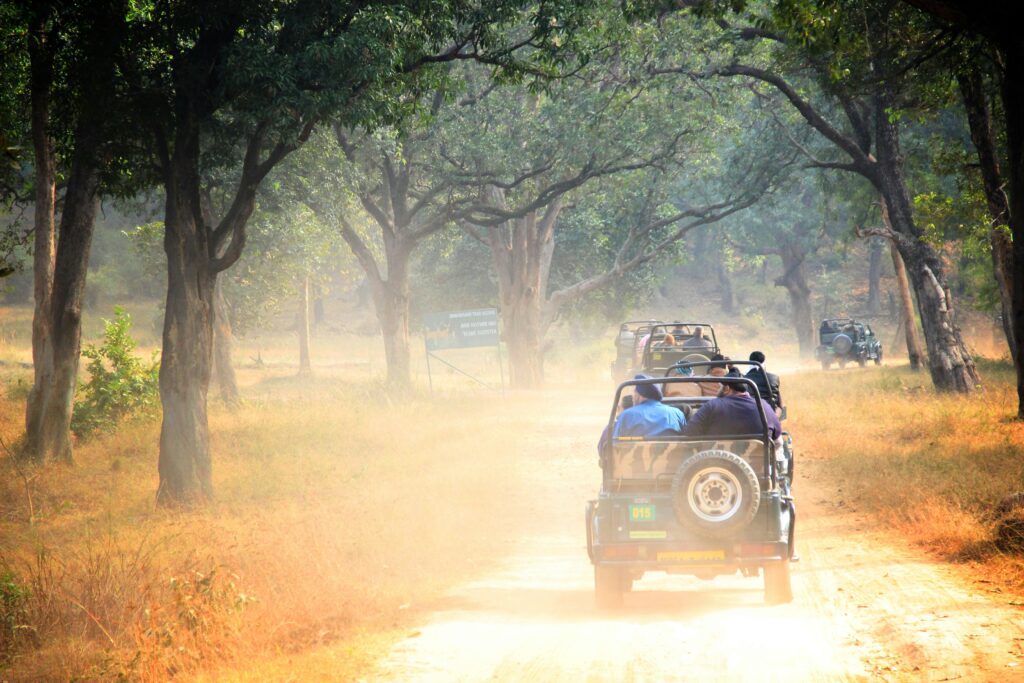
Explore Tadoba with Vanraj Safaris
At Vanraj Safaris, our safaris are planned with experienced local naturalists who closely monitor daily wildlife movement and understand the behaviour of individual tigers across Tadoba’s core and buffer zones. While no sighting can ever be guaranteed, expert planning, carefully selected safari zones, and knowledgeable guides can significantly enhance your overall wildlife experience. Whether you’re visiting Tadoba for the first time or returning in search of another unforgettable encounter, we help you make the most of every safari.
Plan Your Next Wildlife Adventure with Confidence
Whether you’re planning a tiger safari, luxury wildlife holiday, or custom itinerary, our team is ready to assist with expert advice, availability, and personalized recommendations.